


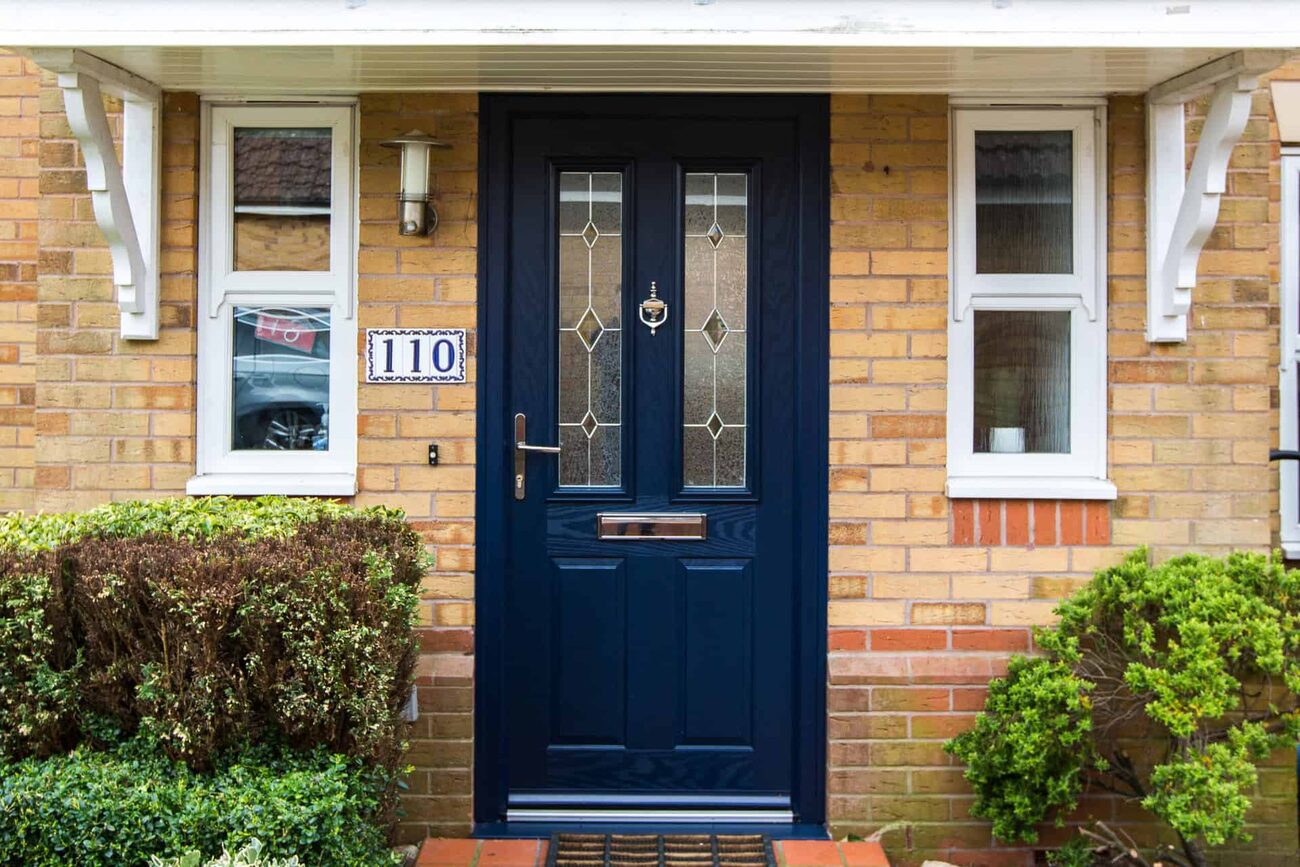
If you are weighing up a new front door, it is worth reading through our guide on composite doors before you commit. They have quietly become the door of choice for British homes, and the reasons are worth understanding.
Composite doors have taken off because they outperform both traditional timber and uPVC. They pull the strength and looks of timber and uPVC together with the weather resistance of GRP.
This guide covers what makes them so good and the styles you can pick from. Grab a cuppa and have a read.
What is a Composite Door?
A composite door is built from several materials at once: a solid timber core, PVC, a polyurethane foam core and glass-reinforced plastic. That combination makes it noticeably stronger and longer lasting than a typical timber or uPVC door, and it holds its colour for longer too.
The clever bit is that each material does a different job. The solid core gives you the sturdiness of hardwood, while the outer layers bring the thermal efficiency and low upkeep of uPVC. You get the strengths of both in one door, without the weaknesses of either.
Benefits of Composite Doors
A composite door brings a handful of real advantages to your home. Here are the ones that matter most.
Better home security
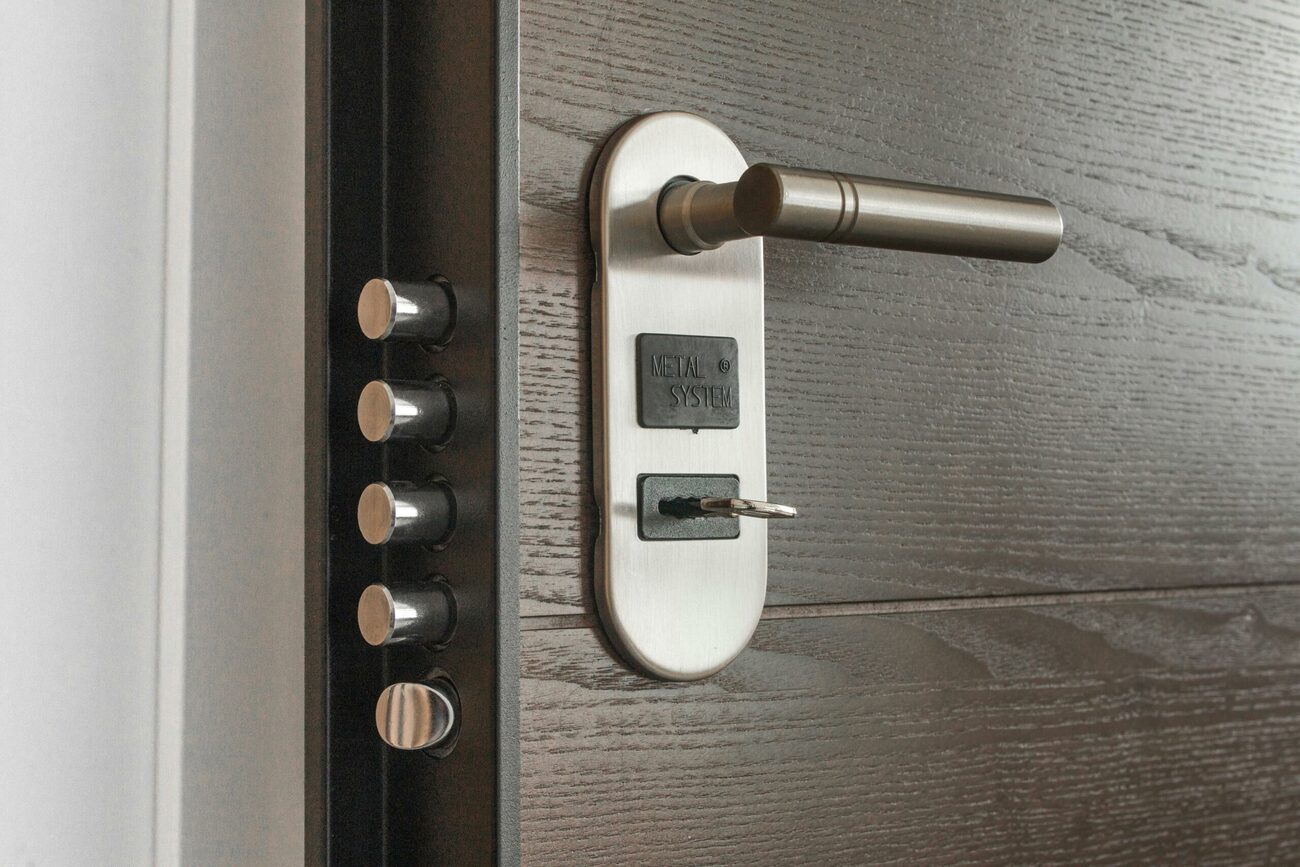
A composite door is far tougher than a standard timber or uPVC door, which makes it a serious deterrent to anyone trying to get in. Most homeowners notice the difference in both security and insulation the day it goes on.
They typically come with anti-snap, anti-drill and anti-pick locks, so they are a real challenge to defeat. The door itself is heavy and solid, so it shrugs off the brute-force attempts that an old timber door would give way to.
If security is your priority, a composite door is the sensible choice. uPVC doors are not flimsy by any means, but they do not match the multi-point locking and sheer mass of a composite.
Excellent energy efficiency
That extra 20mm of thickness does more than add strength. It seals out the weather and holds the temperature, keeping the house warm in winter and cooler in summer.
You feel that as everyday comfort, and you see it on the bill, because a door that holds heat in lets you ease back on the heating.
Weather-proof and low maintenance
The GRP outer skin makes composite doors genuinely weather-proof. Unlike uPVC, they resist fading and staining even in strong sun.
They cope with rain and snow just as well, and that same outer layer keeps water away from the timber core, so the door does not rot from the inside.
The upshot is a door that holds up year after year with almost no upkeep beyond an occasional wipe down.
Better looking
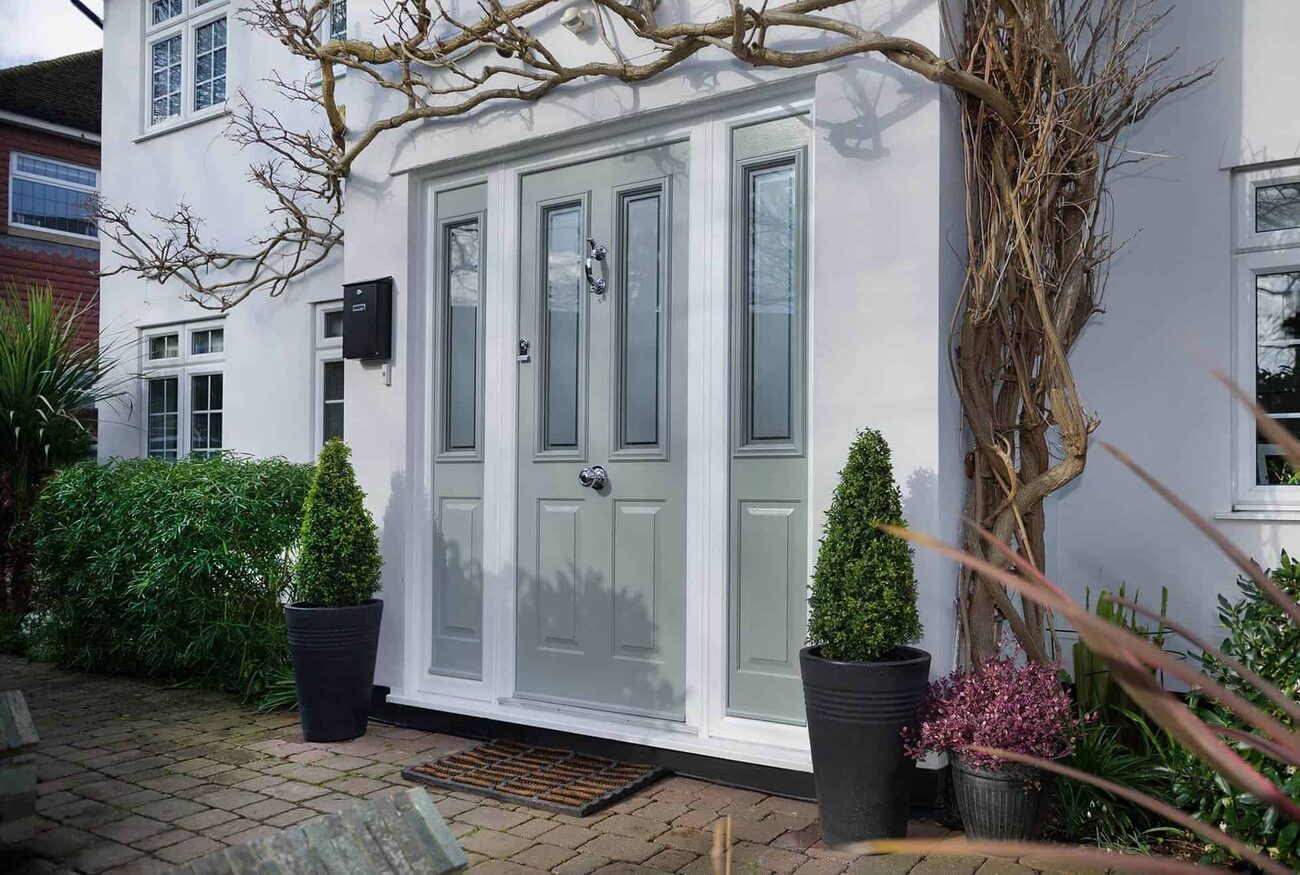
This is where composite doors pull ahead. uPVC may offer more colours, but a composite simply looks and feels a class above. Stand the two side by side and the difference in quality is obvious.
They come in a wide range of styles, with plenty of glass patterns to choose from, so you can lean traditional or modern depending on the house.
If lifting the look of your home is part of the plan, a composite door does a lot of the work on its own.
Keeps your home quiet
The same thickness that holds in heat also dampens sound. A GRP composite door noticeably cuts the noise coming in from outside.
If you live on a busy road or next to lively neighbours, a new composite front door makes a real difference to traffic noise and late-night music.
Pair it with good double glazing and the house becomes a genuinely quiet place to be.
What Are the Composite Door Styles Available?
The choice is broad. Colours and finishes run from brushed stainless steel and anthracite grey to chartwell green, duck egg blue and natural wood effects, so it pays to look at the actual finish before you settle on one.
You can build on the basic door too, with a glazed side panel, a set of double doors, different frame shapes and a range of handles and furniture to finish it off.
With that much to choose from, there is a composite door to suit almost any house. Most installers carry a wide range, so you will have plenty to compare.
Traditional composite doors
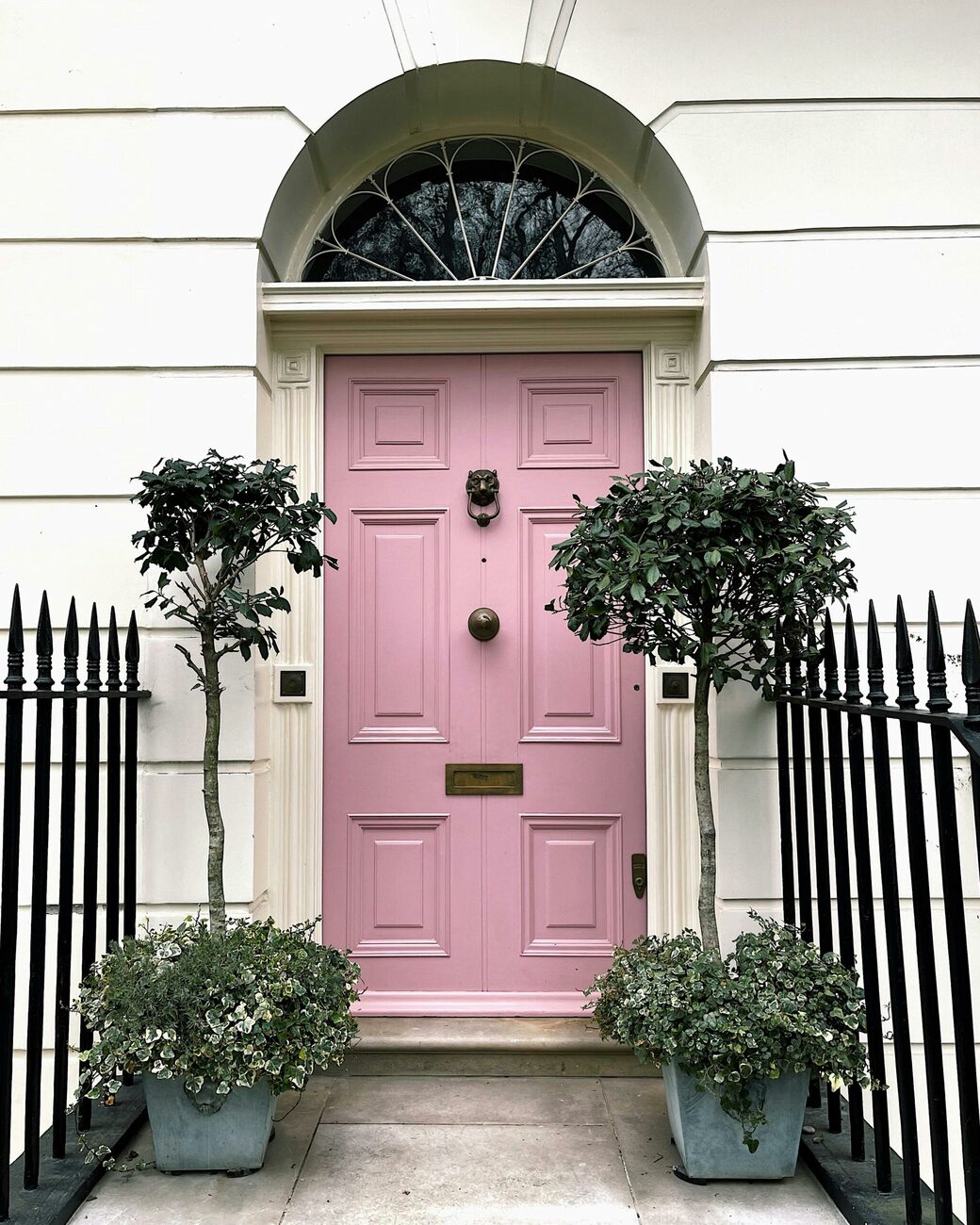
If you want a classic look, a traditional composite door fits the bill. These usually feature decorative glass panels that look smart and let plenty of daylight into the hallway.
Modern composite doors
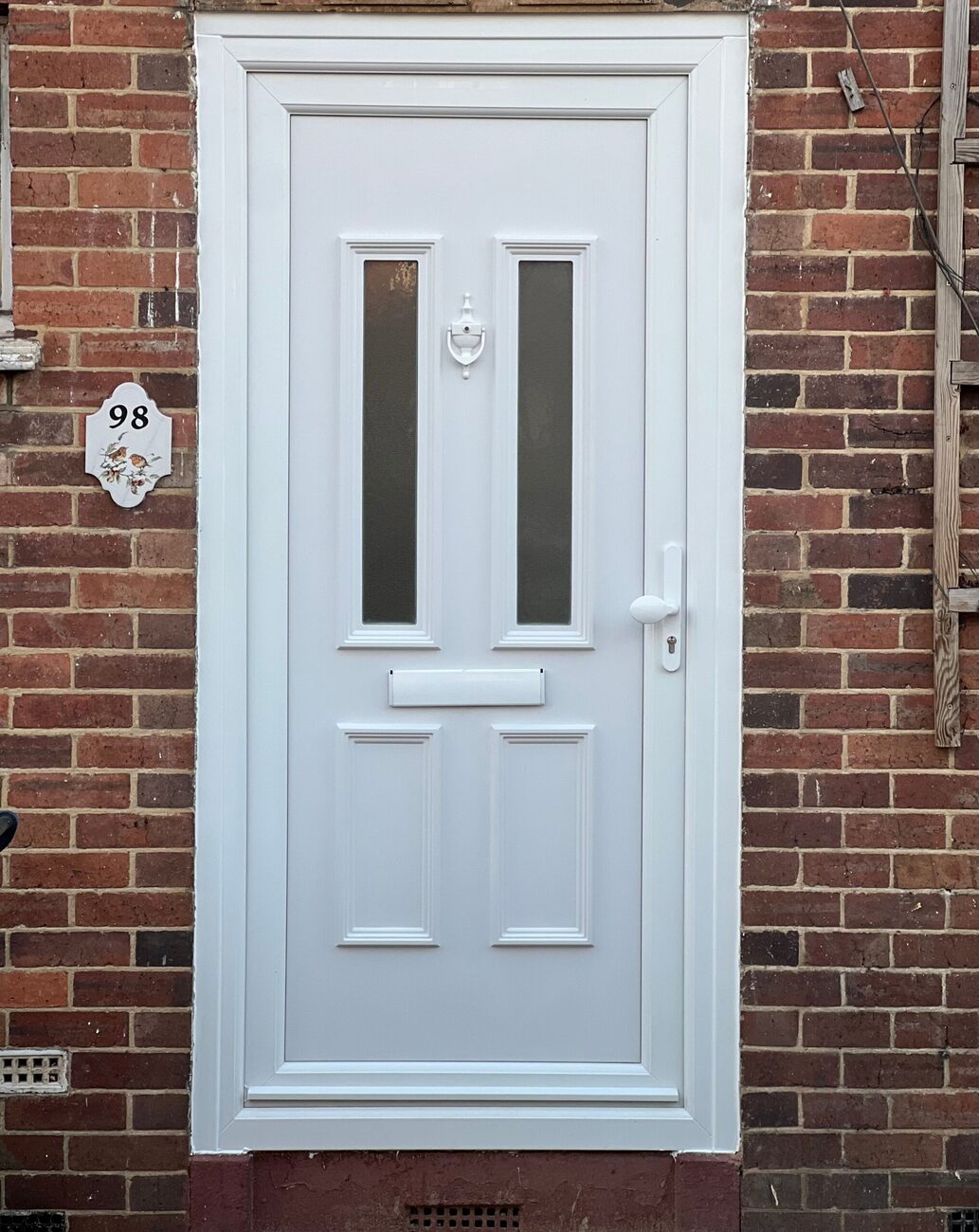
Modern composite doors go for clean, contemporary lines, ideal if you are giving the front of the house an update. Add a glazed side panel and the whole entrance lifts.
Cottage composite doors
A cottage composite door brings a softer, rustic character. If you are in the countryside or a village, this style sits comfortably against an older or rural home and plays up that cosy, traditional feel.
Stable composite doors
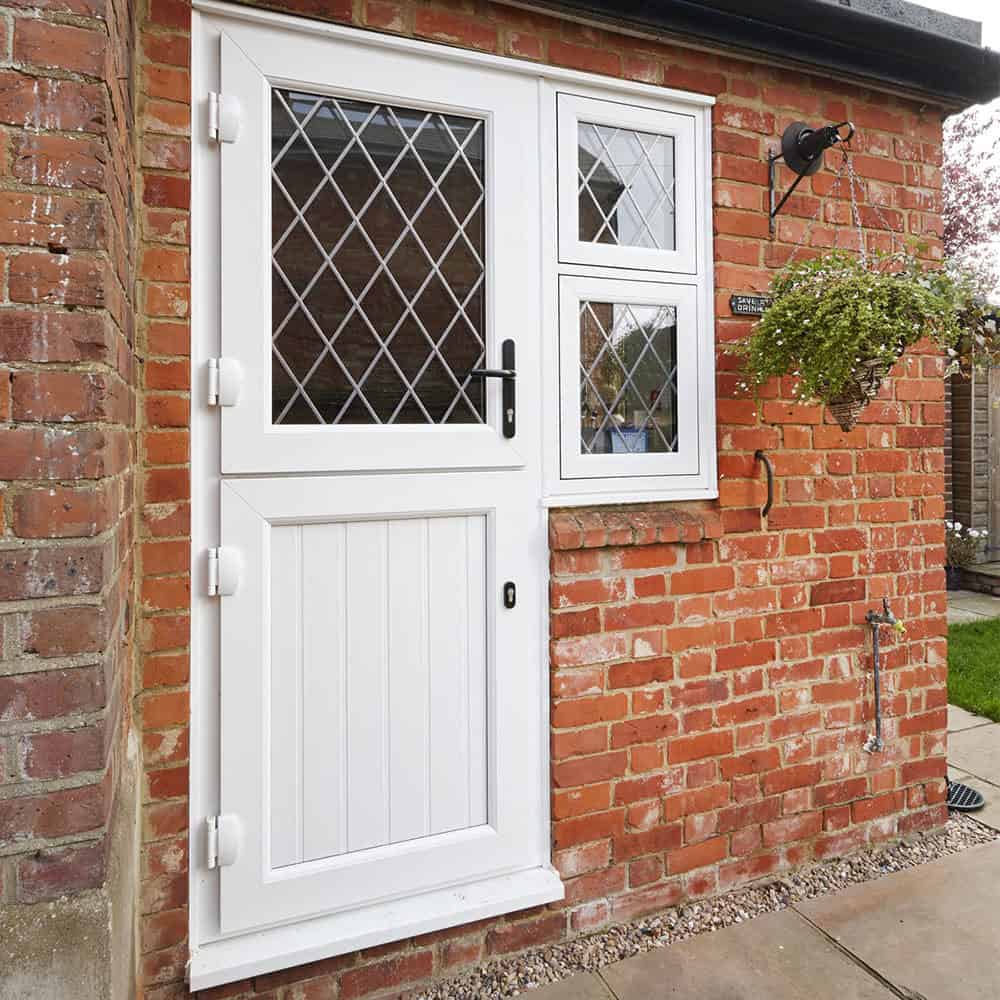
A stable composite door splits into two so you can open the top while the bottom stays shut. It suits barn conversions and country properties, and adds a practical, rustic touch to a back or kitchen door.
Why Should You Buy a Composite Door?
The case is simple. If you want the best balance of value, security and looks in a front door, a composite is hard to beat.
If your current door is looking tired, a composite is a worthwhile swap. It is durable, lasts for years and needs barely any maintenance.
It also works as a quick way to refresh the front of the house. Few single changes make as much visible difference as a new front door.
The kerb appeal lands the moment it is fitted, and you get the security, efficiency and quiet that come with it.
For most homes the honest verdict is that a composite door earns its place several times over.
Composite Prices
Wondering what a composite door will cost? Our guide to average composite door prices breaks down the figures and shows the funding options that can help you spread or reduce the cost of a new front door.
FAQs
What exactly is a composite door?
Unlike a door made from a single material such as timber, a composite door combines several: solid timber, PVC and glass-reinforced plastic (GRP). That blend makes it strong and long lasting, and a clear step up from a standard wooden or uPVC door.
Are composite doors secure?
Yes, very. They are much tougher than timber or uPVC doors and come fitted with advanced multi-point locks that are hard to defeat, which makes them a strong choice for home security.
What are the benefits of composite doors?
They are more secure and more efficient, holding heat in winter and out in summer, which helps with your energy bills. They stand up to the weather, need very little maintenance, look smart and cut down outside noise for a quieter home.
What styles can I choose from?
Plenty. Traditional designs with decorative glass, clean modern looks, rustic cottage styles and stable doors for a country feel. With a wide range of colours and finishes on top, there is a composite door to suit most homes.