


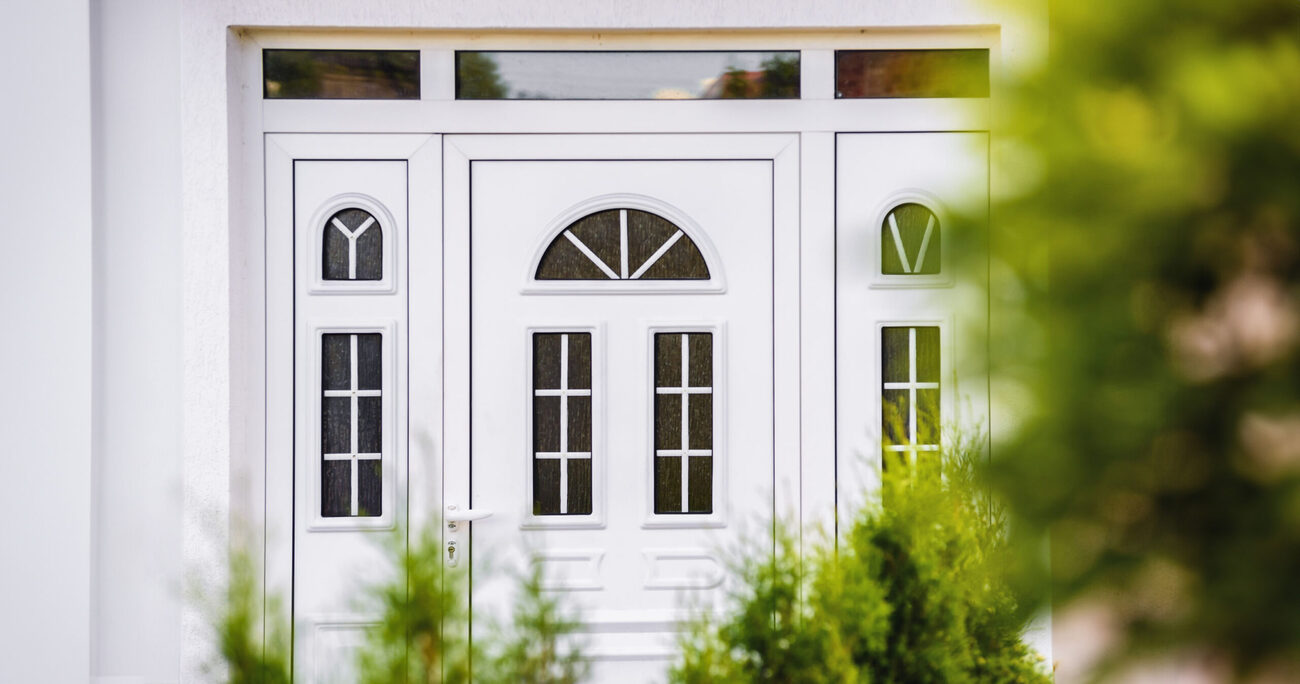
Maybe your front door has started to look tired, or it just doesn't suit the house any more. Either way, if you are weighing up a replacement, a uPVC door is worth a serious look.
uPVC doors are made from a hard-wearing material and come with good double glazing, so they tend to outlast wooden doors by a fair margin. That said, no door is right for every home, so it pays to know the trade-offs before you commit. Below I have set out what uPVC doors actually offer, where they fall short, and how to tell if one fits your home and budget.
What is a uPVC Door?
uPVC doors are made from a rigid plastic called unplasticised polyvinyl chloride. It is a mouthful, but the material itself is straightforward: strong, weatherproof and almost no upkeep.
Because the frame holds its shape through rain, frost and heat, a uPVC door copes well with the British weather and asks very little of you in return. It also insulates well, keeping warmth in and street noise out, which over a year can take a useful bite out of your heating bills.
You will find them in a wide spread of styles and finishes, including wood-effect options that pass at a glance, so they sit comfortably on most homes and commercial buildings alike.
They also tend to cost less than timber or aluminium, which is a big part of why so many homeowners and landlords choose them.
If your main goal is to cut energy bills and warm the house up, a uPVC door is a sensible pick. Multi-point locking and insulated panels keep it secure and efficient, and the low maintenance means it earns its keep year after year. There is an environmental angle too: a door that lasts decades is a door you are not replacing, and not throwing away.
What Are the Benefits of uPVC Doors?
The benefits add up quickly. The headline one for most people is that uPVC does not warp or shrink as the years pass, so there is far less to maintain. Here is where these doors really earn their place.
They insulate your home
A good uPVC door holds the heat in. That makes a real difference in a draughty house, and it shows up on your heating bills over a cold winter.
You also get a tidy, energy-efficient door that lifts the look of the front of the house.
They're secure
Security is one of the strongest arguments for uPVC. Multi-point locking, toughened panels and solid frames make the door a far harder target for anyone trying to force their way in.
They come in different colours
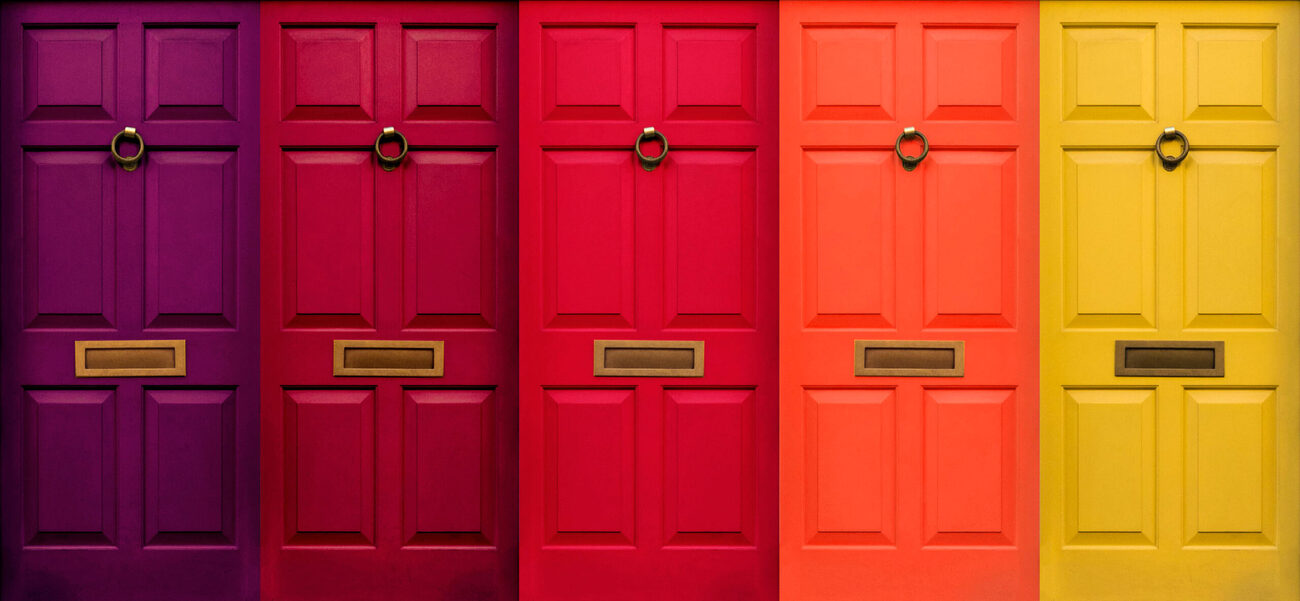
The colour range is genuinely wide. You can keep it classic with glossy black, matt white or one of several greys, right through to a polished silver finish.
If you want more personality, there is burgundy, red, blue, beige, cream, yellow, green and olive to play with.
And if you prefer something warmer and more natural, brown, lilac, rosewood and terracotta are all on the table. Whatever the rest of your house looks like, there is a shade that will work with it.
They're easy to clean
Upkeep barely registers. A wipe with a damp cloth now and then keeps a uPVC door looking fresh, and that is about the extent of it.
There are different hardware options
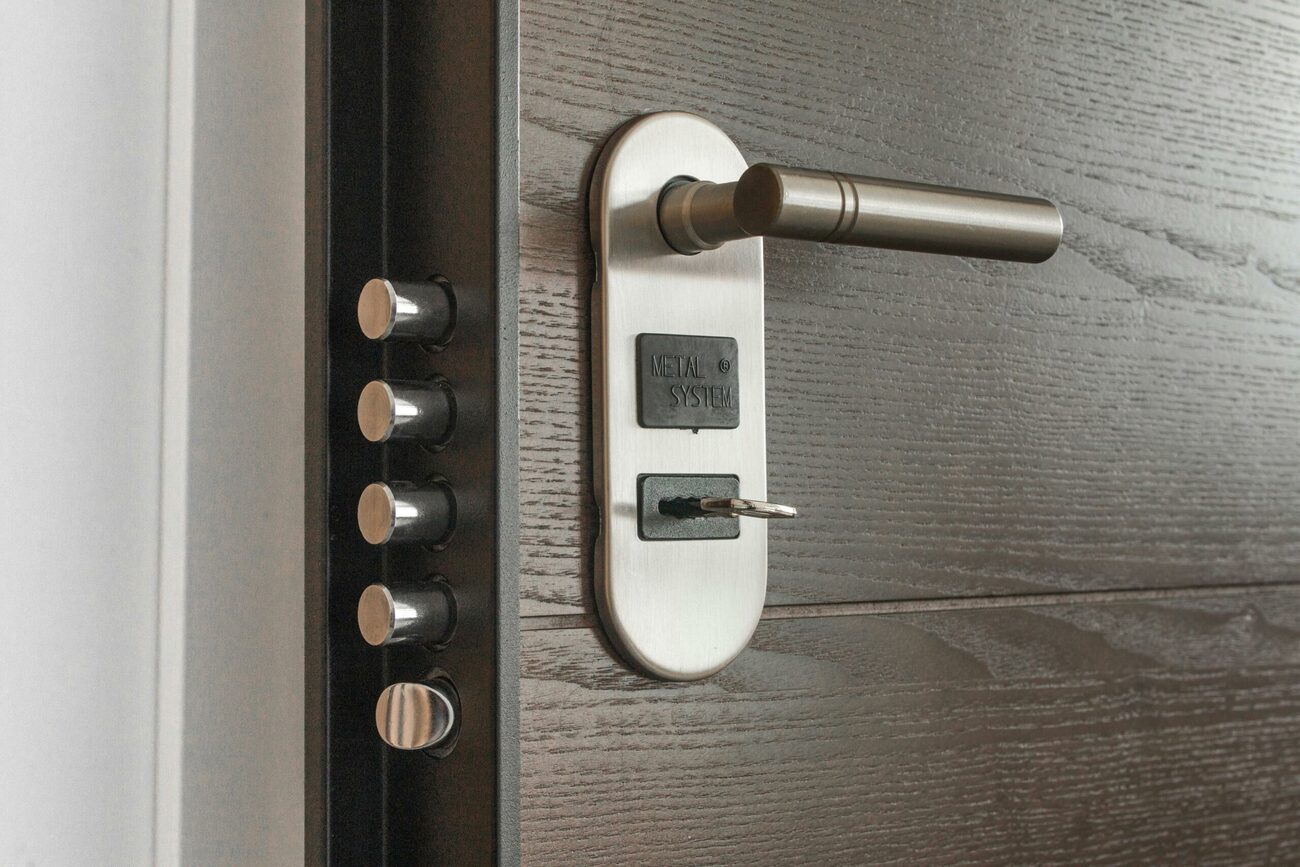
There is plenty of hardware to choose from if you want to make the door feel like yours.
Handles, letterboxes, latches and door stops are the obvious ones, but you can also add house numbers, a knocker or a bell push.
Mix and match the details to suit the door and the style of your home, and a standard front door starts to feel like a deliberate choice rather than a default.
They won't warp or shrink over time
This is where uPVC really pulls ahead of timber. Wooden doors move with the seasons, swelling in the damp and shrinking in the dry. uPVC stays put, because the synthetic frame holds its shape whatever the weather is doing. On top of that, certain parts can be reinforced with glass reinforced plastic to add strength and keep the door performing well for years.
How Long Do uPVC Front Doors Last?
Longevity is a big part of the appeal. Looked after properly, a uPVC front door will give you 30 to 35 years of service.
In practice that means you fit it once and forget about it for decades, which makes it a sound long-term investment rather than a job you will be repeating in ten years.
Types of uPVC Front Doors
uPVC front doors come in a few different styles, each with its own strengths. Want something plain and timeless? There is a door for that. After something a bit smarter? Covered too. Here are the most popular styles worth knowing about.
The traditional uPVC door
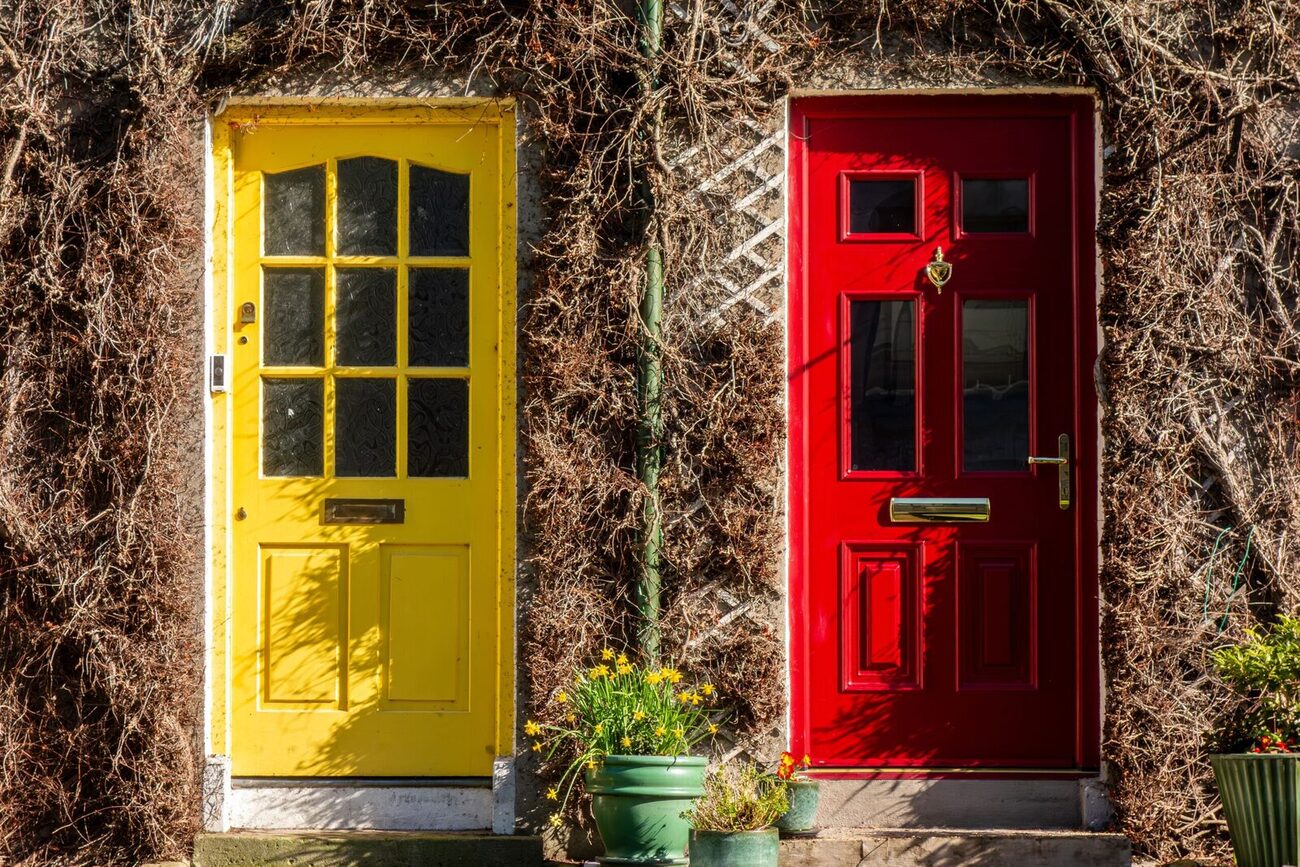
If you want something classic that will not date, this is the one. No fuss, hard-wearing, and it still looks right years down the line.
Doors with side panels
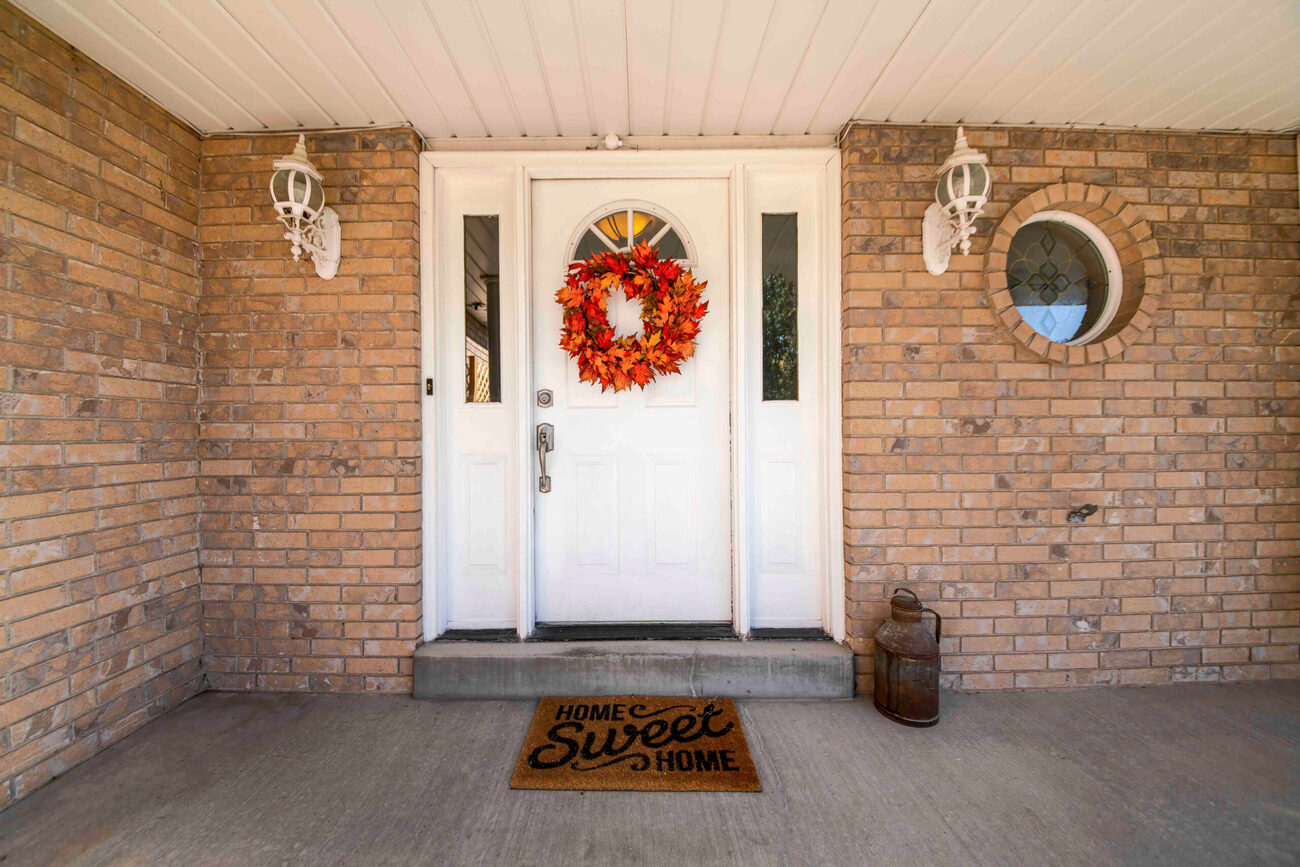
Same idea as the traditional door, but with a glazed side panel added on. It pulls more daylight into the hallway and makes a wider entrance feel open and welcoming rather than boxed in.
French doors
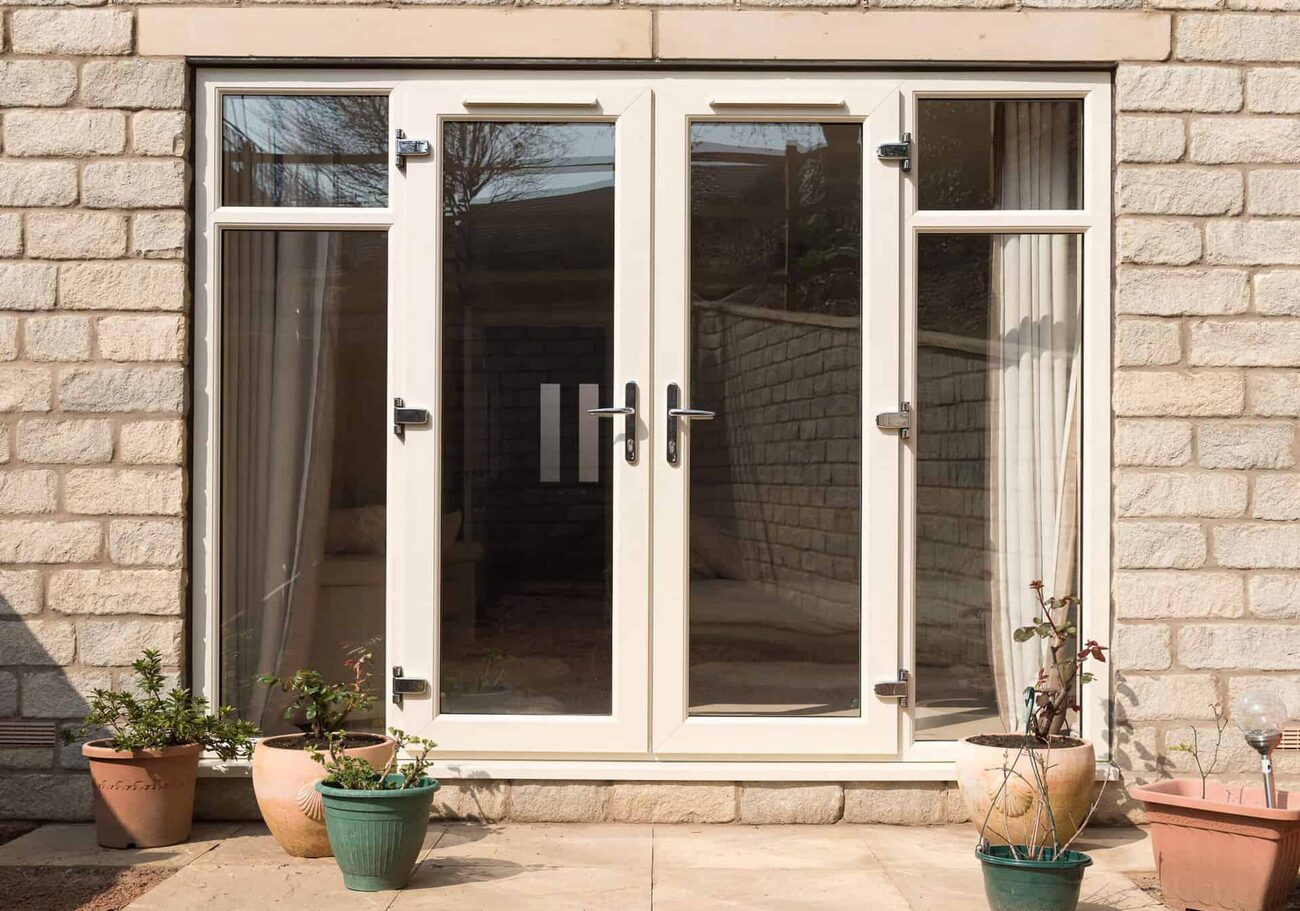
A pair of doors that open outwards with full-height glass. They always come in twos, and they look particularly handsome on older or period-style homes. The name does come from the French design they were modelled on.
FAQs
What is a uPVC door?
A uPVC door is made from unplasticised polyvinyl chloride, a tough plastic that shrugs off the weather and needs almost no looking after. It is strong, well insulated and inexpensive to run, which is why it suits so many homes. Composite doors have their own advantages, but compare the door prices and you will usually find uPVC the cheaper, lower-maintenance option of the two.
Why should I consider a uPVC door over other types?
It comes down to cost, upkeep and security. uPVC is affordable, needs barely any maintenance, and does not warp or shrink the way timber does. Add multi-point locking and a broad choice of colours and styles, and you have a door that works on almost any home.
How long do uPVC doors last?
With reasonable care, a uPVC door will last 30 to 35 years. That kind of lifespan is what makes it a genuine long-term investment rather than a short-term fix.
What style options are available for uPVC doors?
There are several to pick from, including traditional doors, doors with glazed side panels and French doors. Each one can be finished in different colours and fitted with different hardware, so you can tailor the door to the look and the practical needs of your home.