

uPVC Windows Benefits – Types, Colours, Options and Benefits
A guide to uPVC window styles, colours and the benefits that improve comfort and efficiency. Posted 12 January 2022.
Start My Free Check
uPVC windows have become the default upgrade for most British homes, and for good reason. They are warm, low maintenance and come in far more styles and colours than people expect, wood grain included. This guide walks through the main uPVC window styles, the colour options worth knowing about, and the practical benefits that actually matter day to day, from lower heating bills to keeping the noise out if you live near a busy road.
Worth saying up front: Help 2 Buy Windows are ranked as the best PVC window supplier in the UK on Trustpilot. We have worked hard for that and we are proud of it.
Types of uPVC window styles
There are several styles of replacement uPVC windows on the market, each with its own strengths. Here are the most popular ones and where each tends to work best.
uPVC Casement windows
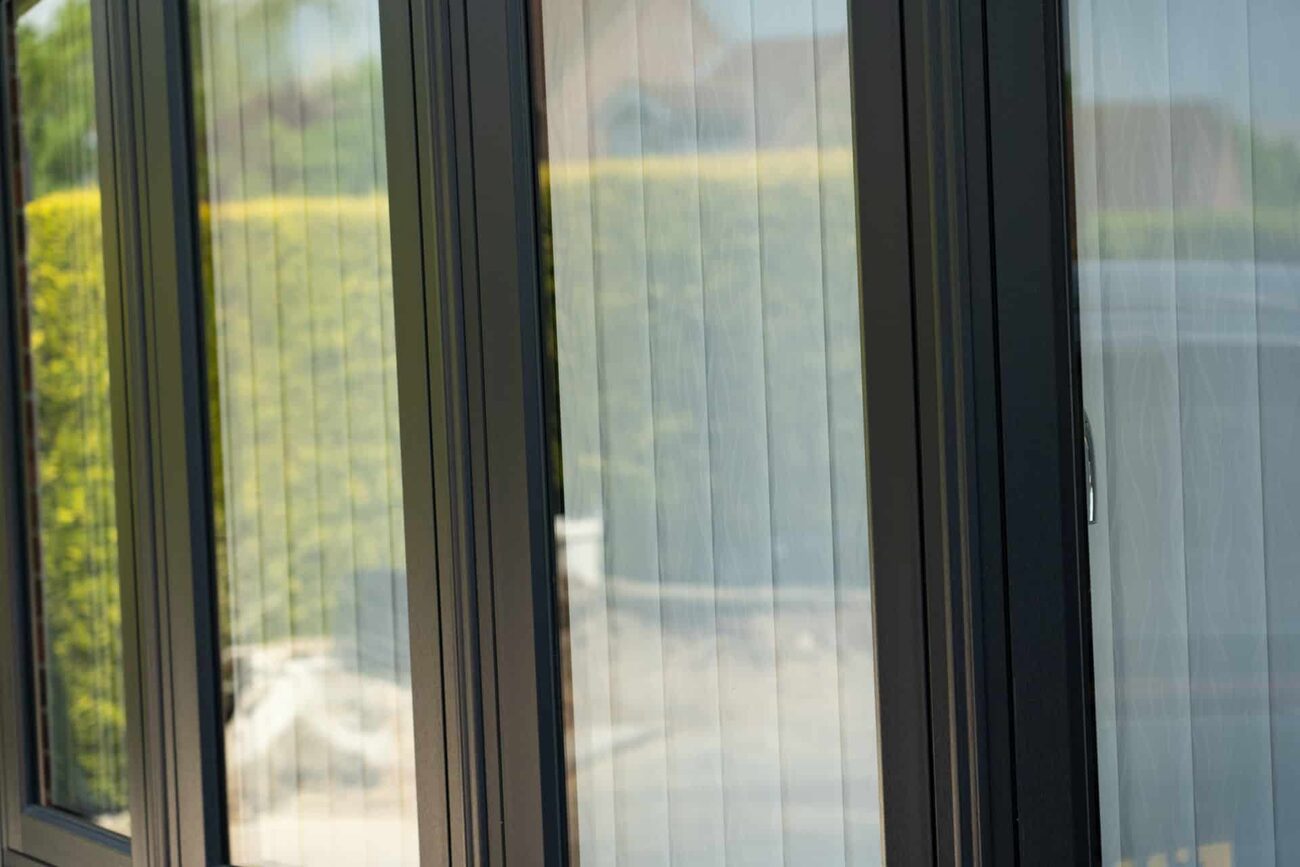
Casement windows are the most popular style by a distance. They are hinged at the side and open outwards, which gives you excellent ventilation, and they come in such a wide range of colours and styles that you will almost always find one that suits the house.
You will see casements described as single-hung or double-hung. Single-hung uPVC casement windows open to around 90 degrees and slide up and down, while double-hung versions open the same amount but slide horizontally across the opening. Both give plenty of airflow.
Modern casements come with multi-point locking as standard. That does two jobs: it tightens up security, and it pulls the sash into the frame for a draught-free seal that cuts heat loss. Add the natural insulating qualities of the uPVC profile itself and you get a window that holds warmth in and looks tidy doing it.
uPVC Tilt and turn windows
Tilt and turn windows do two things in one frame, which is why they are so popular upstairs. Tilt the top inwards for secure background ventilation, or swing the whole sash open when you need it.
The clever part is that they open inwards rather than out. Open the sash fully and you can clean the outside of the glass from inside the room, which is a real help on first-floor and higher windows where reaching the outside pane is otherwise a chore.
Closed, they seal tightly, so they rank among the most energy-efficient frames you can fit. The trade-off is the chunkier frame, which suits modern homes better than period properties. You will most often see them earning their keep on houses built between the 1960s and 1990s.
uPVC Sliding Sash Windows
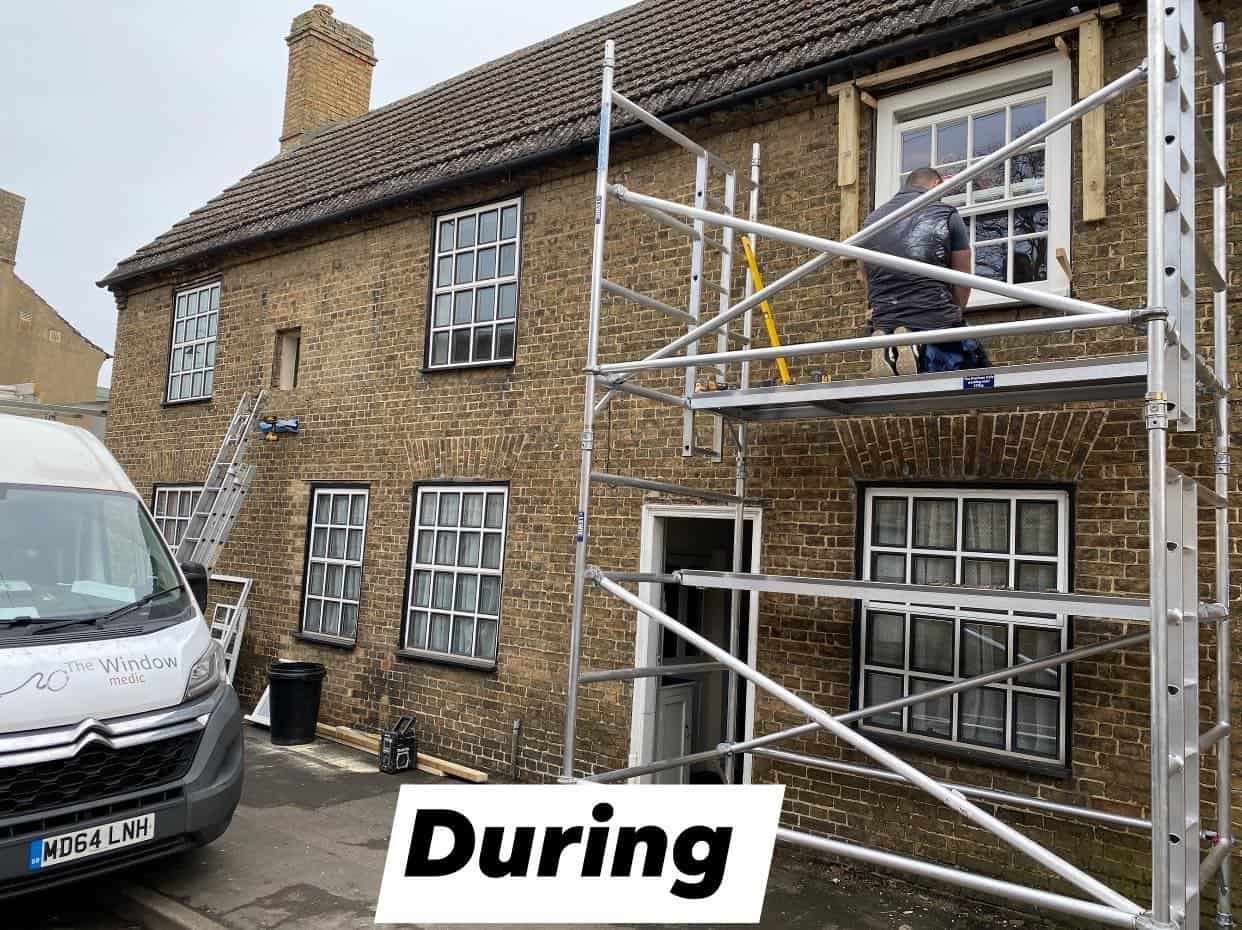
uPVC sash windows recreate the classic vertical-sliding look of a traditional timber sash, with one sash sliding over the other within a single frame. Modern versions tilt inwards too, so you can clean the outer glass from inside the room.
You will find them in top-hung and bottom-hung arrangements. Top-hung makes ventilation and cleaning easy, while bottom-hung feels more secure when shut. Either way, the tilt action means a bucket of soapy water and a cloth is all you need to keep the glass clean, no ladder required.
Sliding Windows
Sliding uPVC windows open horizontally, a bit like a miniature patio door. Most are fitted as two sealed units that slide left or right past each other.
They work on their own or alongside casement and sash windows in the same elevation. Because they ventilate well without sticking out into a walkway, they are a sensible pick for kitchens and bathrooms.
Bay windows
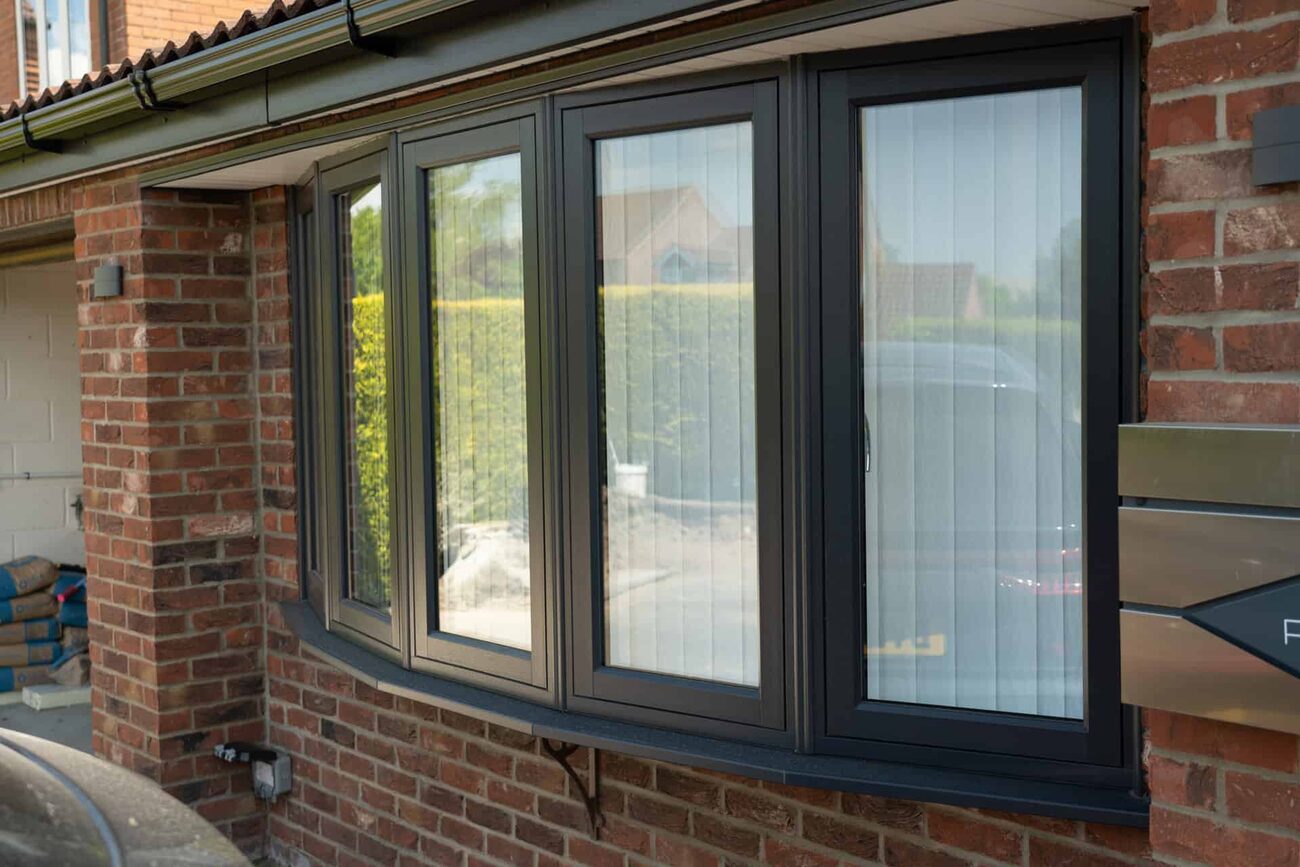
Bay windows project outwards from the wall in three or more sections, and they are available in the full range of uPVC colours and finishes.
They flood a room with light, give you a wide view of the street or garden, and create a natural spot to put a seat or a windowsill display.
The catch is cost. Bays are pricier to make and fit than a flat window, and the view depends entirely on the room. Think about where you will actually sit before you commit, because a beautiful bay facing a fence is a wasted one.
Bow Windows
A bow window is the gentler cousin of the bay. Instead of flat sections set at angles, it curves in a smooth arc, which softens the line of the house and adds a sense of space.
Like a bay, it brings in light, opens up the view and makes the room feel larger. It can also lift the kerb appeal, and that is one of the things that helps add value to your home when you come to sell.
Skylights
Skylights bring daylight in from above, which makes them ideal for a dark loft conversion or an attic en-suite where wall space for a normal window is limited.
If you fit one, plan for ventilation and shading from the start. Without them, heat and UV build up in the room below, and that can lead to condensation and, over time, water damage.
What options are available for coloured uPVC Windows?
uPVC is no longer just white. You can have white, black, grey and a spread of wood-effect finishes, and you can specify a different colour frame to match your home or simply to add a bit of character.
Some popular colours include:
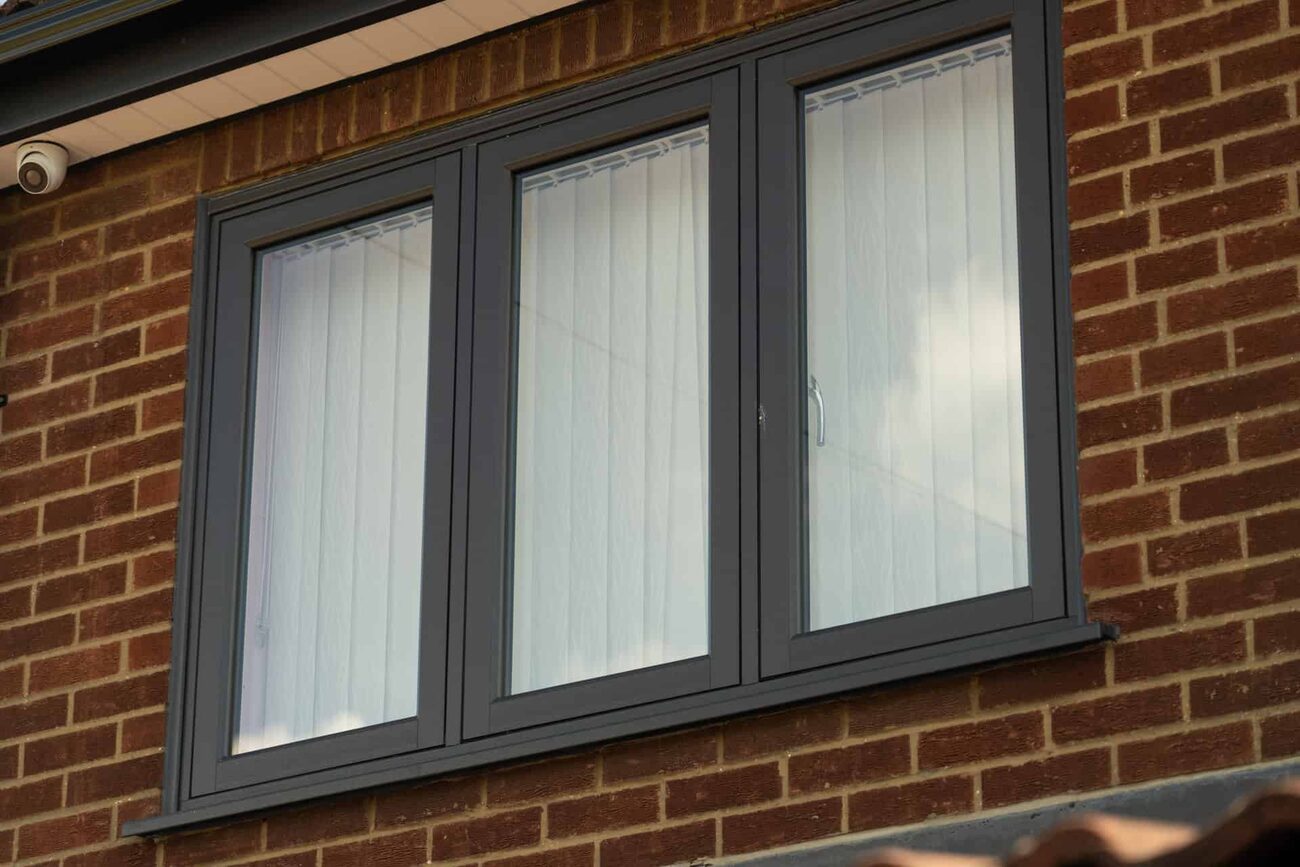
Anthracite grey uPVC windows
Cream uPVC windows
Chartwell green uPVC windows
Dual white uPVC windows
Golden oak uPVC windows
Rosewood uPVC windows
Black uPVC windows
What colour uPVC window frames should I choose?
Start with the look of the house. Are you planning to replace the guttering and roofline at the same time, so the colours can be co-ordinated? Are you thinking of rendering the walls? Decisions like those affect which frame colour will sit right once the work is finished.
My own tip is to take a drive around your area first. Seeing what neighbours have chosen on similar houses tells you far more than any brochure swatch.
Remember you do not have to match inside and out. A common choice is a coloured foil on the outside with plain white inside, or a wood-effect wrap on both faces so the frames pass for timber.
How to Measure uPVC Windows
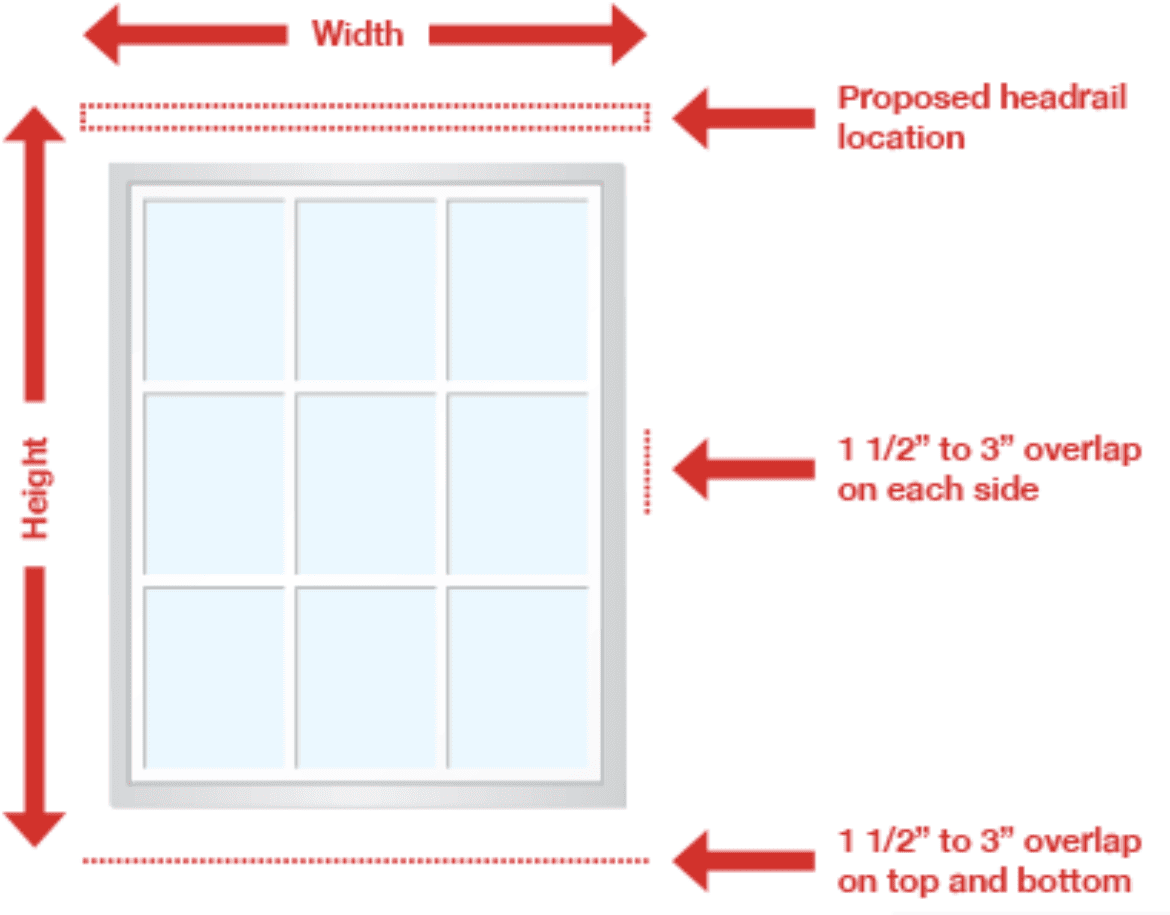
uPVC double glazed windows are made to measure. There are no off-the-shelf standard sizes, so accuracy matters.
For the height, measure from the bottom of the sill up to the lintel above the opening.
For the width, measure brick to brick in at least three places up the opening. Old openings are rarely perfectly square, and checking in three spots catches any variation before it becomes a problem on fitting day.
What are the best uPVC Windows?
The frame is only as good as the profile behind it. These three manufacturers are the names worth knowing when you are comparing replacement windows.
Liniar
Liniar is a well-established British maker with a strong reputation for thermal performance. Their profiles use a four and six-chamber design, and those extra chambers trap more air, which is what keeps the warmth in and the heating bills down.
Rehau
Rehau is a German engineering name with a long history in window systems. Their profiles are well made and energy efficient, and the range covers most styles, so you can upgrade how the house looks and how it performs in one go.
Halo
Halo has supplied uPVC windows for many years and is a dependable choice where durability and weather protection are the priority.
Their windows use a five-chamber design that delivers strong insulation right through the year. In practice that means lower energy bills over the life of the windows and a smaller carbon footprint, backed by good window energy ratings.
What financing alternatives are available to assist you with the cost of your new uPVC windows?
You have a few routes to spread or reduce the cost of new uPVC windows: finance, double glazing grants, or buying outright. Which suits you depends on your circumstances.
The simplest way to find out is to complete our funding checker. It shows which options you qualify for and books in your no-obligation quote at the same time.
Once our surveyor has visited, we set out the options for your home and give you an accurate quotation that stays valid for 24 months.
Should I go for the cheapest window quotation?
Cheap is tempting, but it is rarely the smart buy.
More often than not, the lowest quote leaves you disappointed once the work is done, whether that is thin profiles, cut-corner fitting or poor aftercare. When you compare uPVC window prices, aiming around the middle of the range usually gives you the best balance of quality and cost.
Price is only half the picture, though. Check the company's reviews and how it handles customers after the sale, because that is what you will be relying on if anything needs putting right.
To sum it up
With so many styles, colours and profiles to weigh up, picking the right uPVC windows can feel like a lot. This guide has walked through the main styles, what each one does well, and the funding options that can bring the cost down. If you know roughly what your home needs, the next step is a quote.
Done properly, new uPVC windows are one of the better-value upgrades you can make without tearing the house apart. They keep warmth in through the colder months, which shows up as lower heating bills, and that same efficiency trims your carbon footprint. With multi-point locking built in, you get a security upgrade in the same job. Comfort, savings and peace of mind from one straightforward improvement.