

The 7 Different Types of Doors: UPVC, Composite, French, Patio, Sliding, Bi-fold and Stable Doors
A complete guide to the seven main door types, with prices and benefits to help you choose. Posted 25 January 2022.
Check For Funding
Picking a new door sounds simple until you start shopping. There are more doors on the market than most people expect, and each one suits a different home, budget and job. Below I have set out the seven main types: uPVC, composite, French, patio, sliding, bi-fold and stable. For each one you will find what it costs and where it earns its place, so you can shortlist the right door without the sales patter.
UPVC doors
What are UPVC doors?
UPVC stands for unplasticised polyvinyl chloride, the same material used in most modern windows. Doors made from it have become a default choice for British homes, and once you look at the price and the upkeep it is easy to see why.
What are the benefits of UPVC doors?
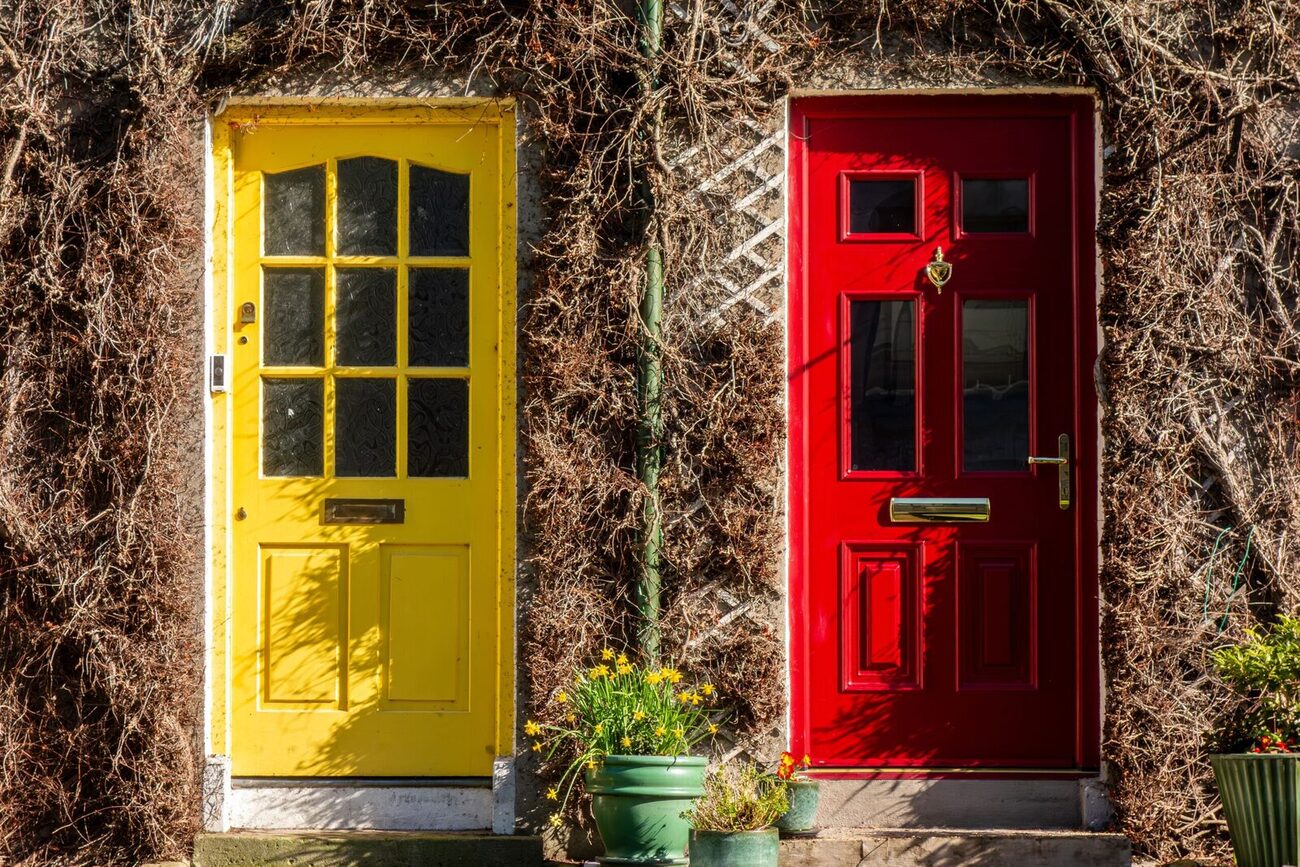
A uPVC door is tough and weatherproof. It will not rot, warp or rust, so it copes well whether your home faces driving rain or full sun. Maintenance is barely a job at all. Wipe it down with a damp cloth now and again and it keeps looking new. They come in plenty of sizes and styles too, so there is something to fit nearly every home.
Composite doors
What is a composite door?
A composite exterior door is built from several materials at once, each chosen for what it does best. Put them together and you get a door that is sturdier, more secure and better looking than any single material on its own.
The mix is uPVC, solid timber and glass-reinforced plastic, usually shortened to GRP.
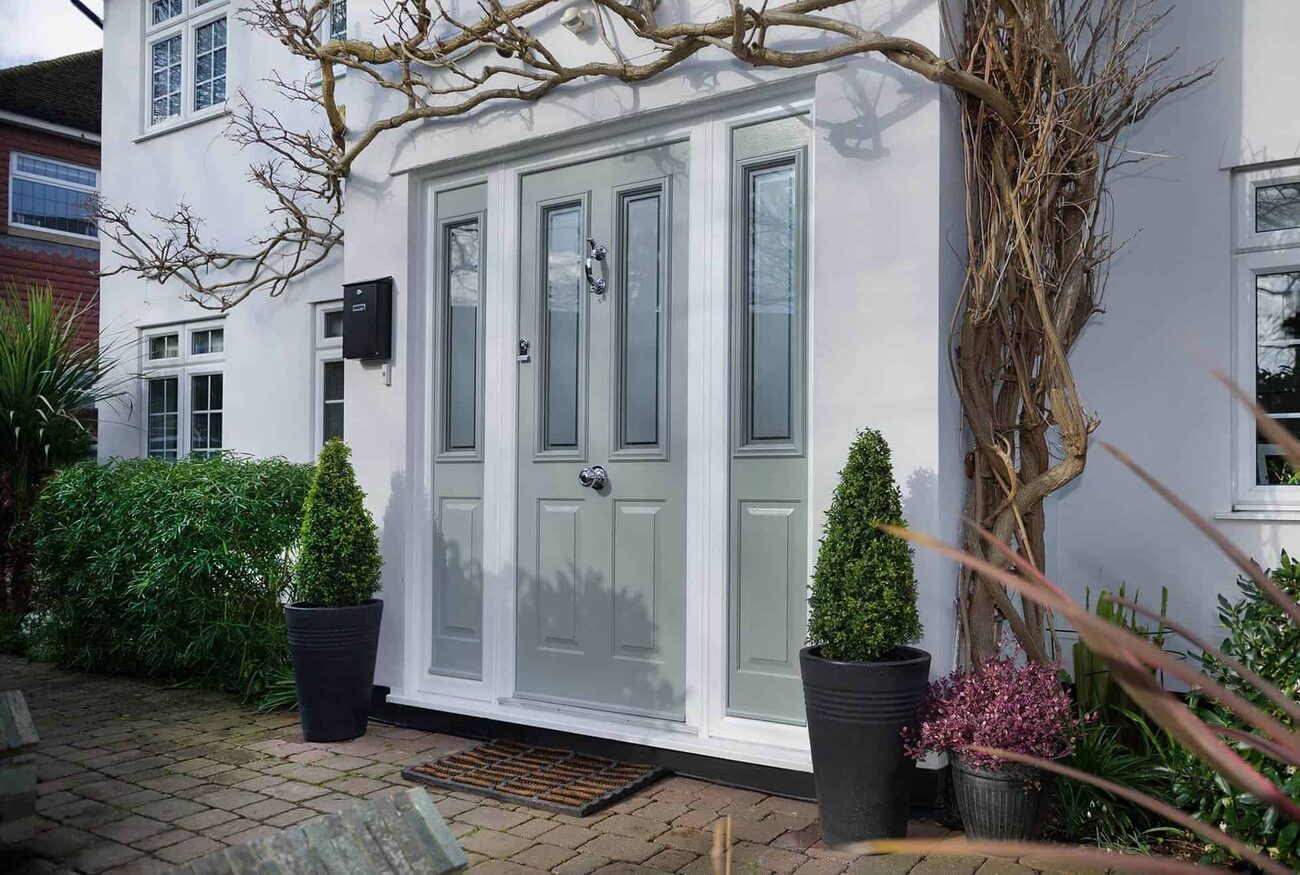
The thermally efficient timber core sits at the centre and does the heavy lifting. A layer of GRP is bonded to the front and back to resist damage and to carry the colour, of which there is plenty of choice. The frame and any side panels are uPVC.
How much does it cost to supply and fit a composite front door?
An exact figure is hard to pin down because nearly every composite door is specced differently, so it pays to look over typical composite door prices before you commit. As a rough guide, expect to pay up to £1,000 supplied and fitted, sometimes more. Yes, they are pricey, but as you will see below there are good reasons for that.
Why are composite doors better than UPVC doors?
It comes down to what they are made of and how they are built. A few things stand out:
- They are stronger and more resilient than uPVC, which is why you tend to find them on homes where security is the priority.
- They last far longer. A good composite door can run to 30 years, so the higher price spreads over a lot of service.
- The choice is huge. Hundreds of styles, colours and sizes mean you will not struggle to match your home.
If you want extra glazing alongside the door, side panels with glass are a popular pairing for a front entrance. They let more daylight into the hallway while keeping privacy and security intact, which suits both traditional and modern frontages.
What composite door colours are available?
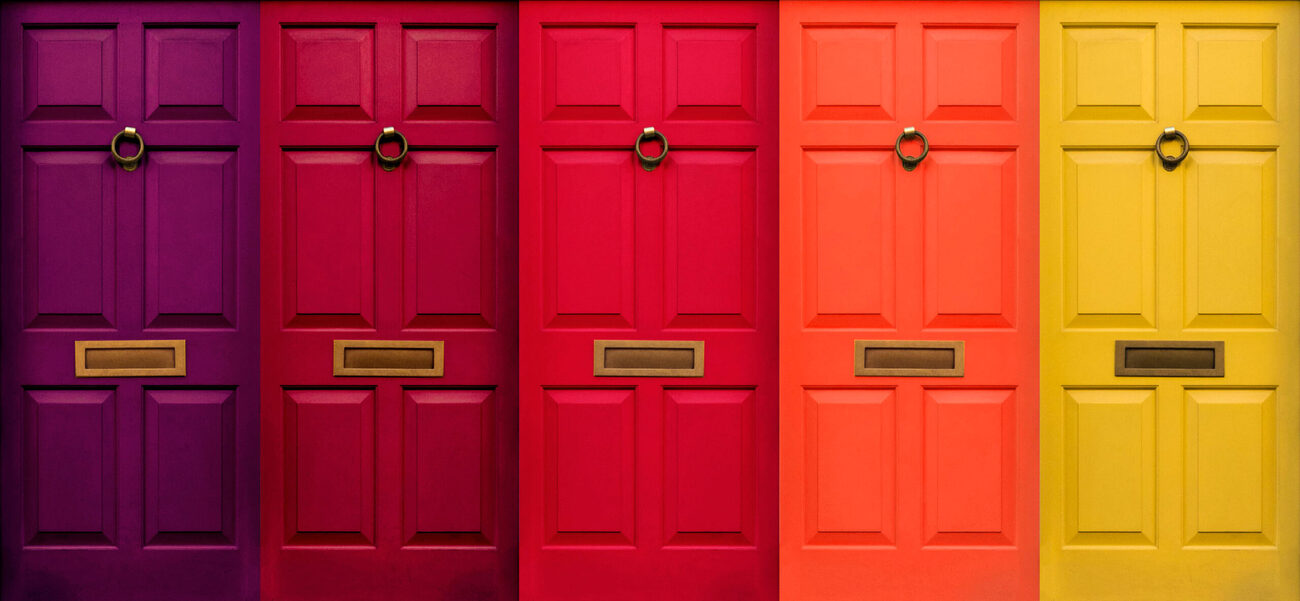
The standard range covers white, black and a spread of woodgrain finishes. If none of those suit, special order finishes will get you almost any colour you have in mind.
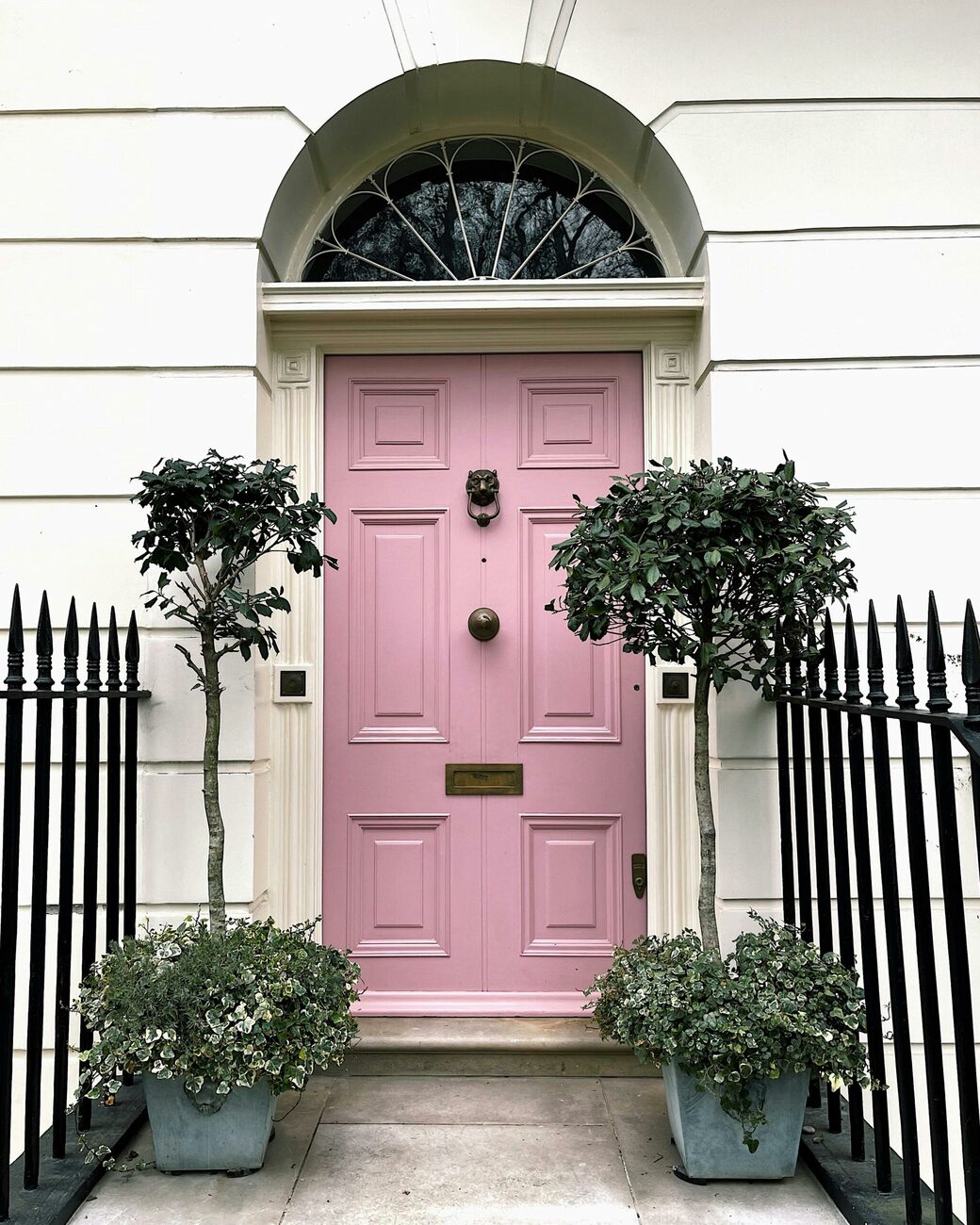
Here are a few composite door styles to give you an idea:
What are the disadvantages of a composite door?
The main drawback is cost. A composite door can run up to 60% more than the uPVC equivalent. You can see where the money goes, with the better materials and the longer life, but if budget is tight that gap is worth weighing up before you decide.
French doors
What makes it a French door?
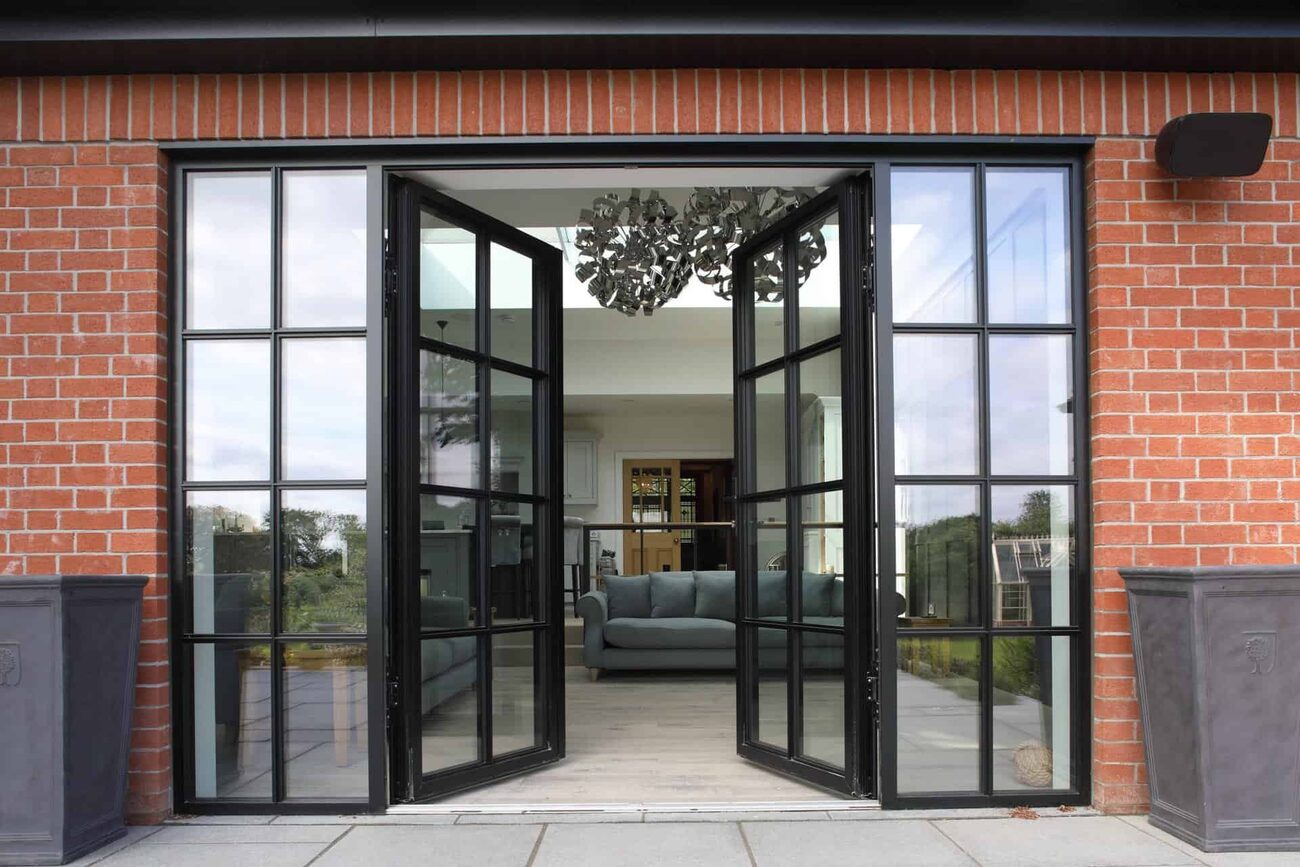
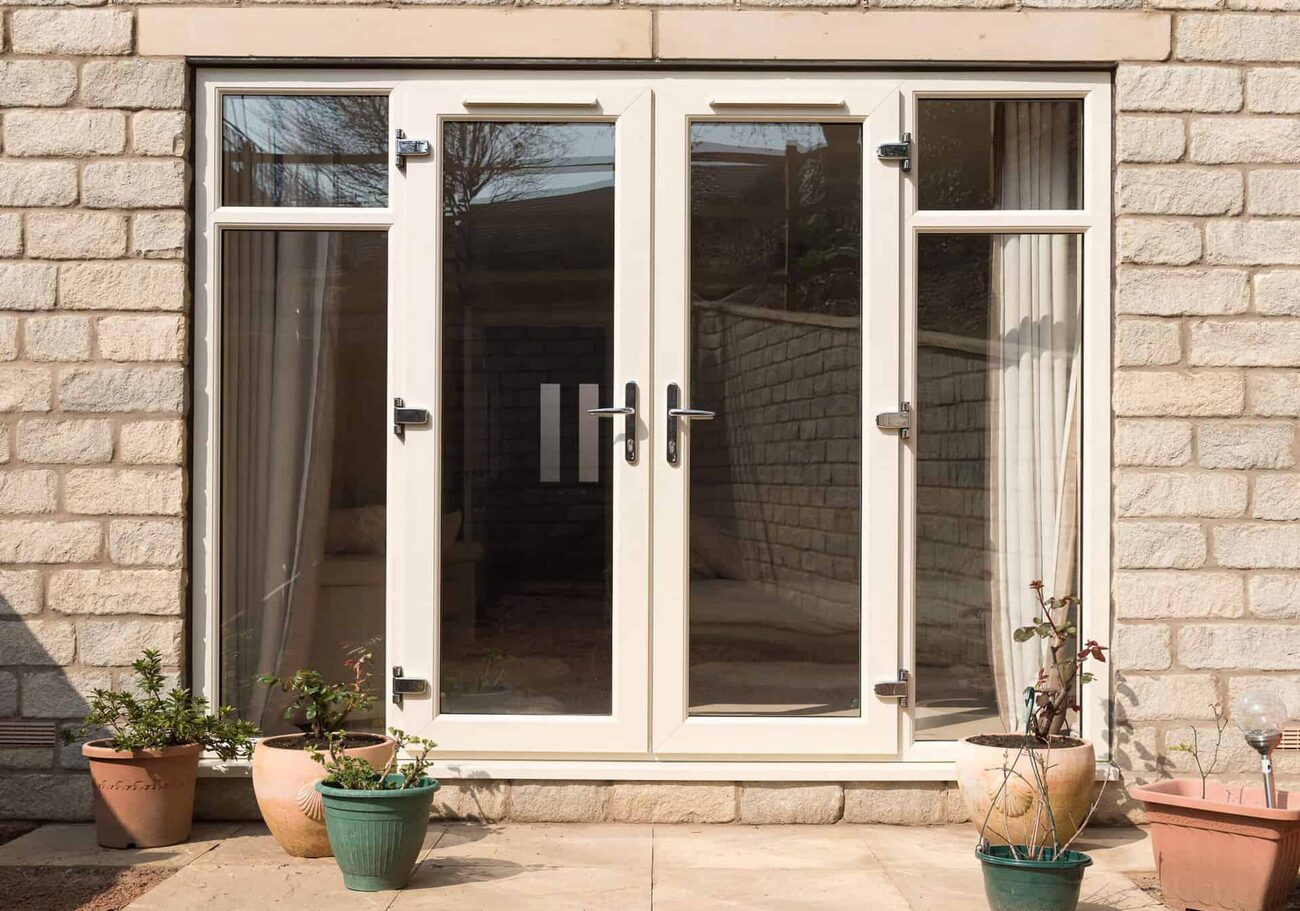
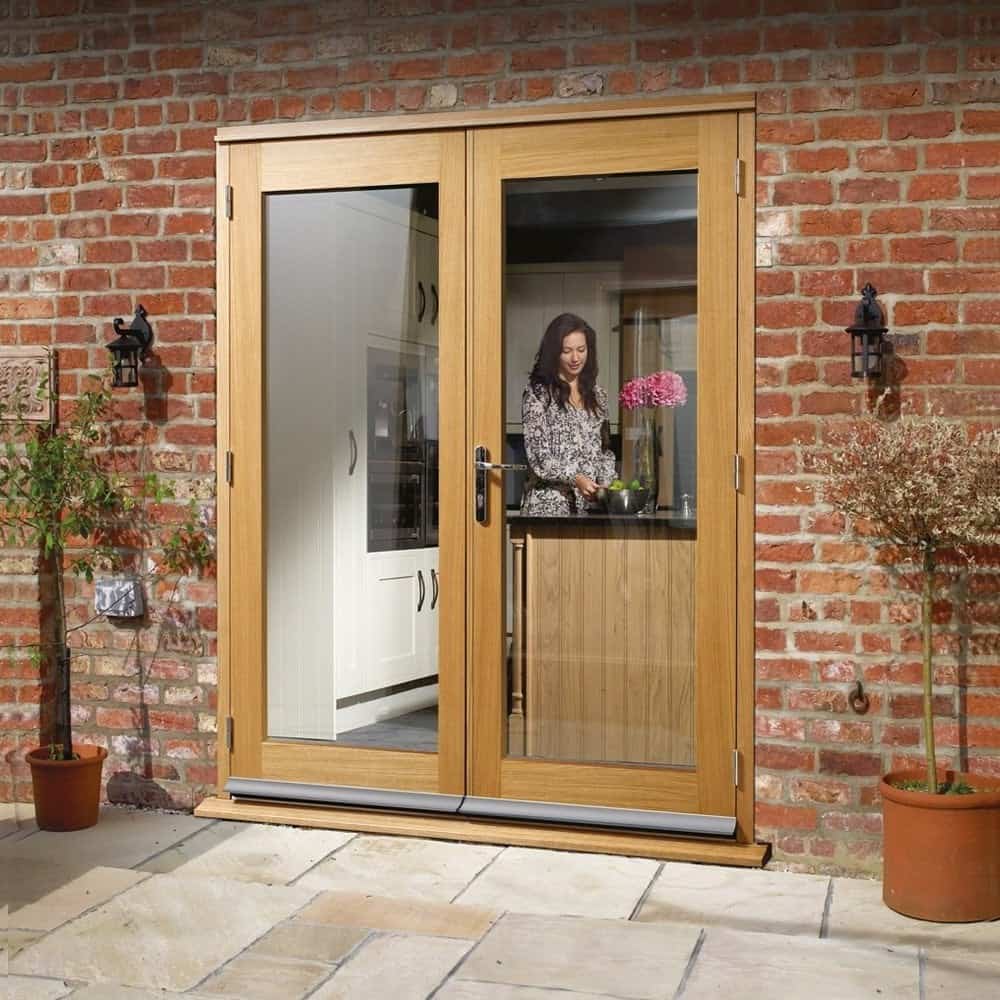
French doors take their name from their origins in France. They come as a pair, hinged at the sides, and when both leaves open you get one wide, unbroken opening. That is what makes them such a natural fit onto a garden or patio. Throw them both open on a warm day and the room flows straight outside.
What are the benefits of French doors?
They are secure, with multi-point locking as standard, and they shrug off the weather. Like uPVC, they will not rot, warp or rust, so they hold up year after year with very little fuss.
Are French doors outdated?
Not at all. They stay popular because they do the job well: secure, weatherproof, and available in a wide range of styles and sizes to suit older and newer homes alike.
How secure are French doors against burglars?
Modern French doors use a multi-point locking system that engages around the frame, which makes them much harder to force. The glazed panels are the weaker point, since glass can be smashed, but in most homes French doors sit at the rear where they are out of sight and harder for an intruder to reach unnoticed.
Here are a few French door styles:
Patio doors
How much should it cost to install a UPVC patio door?
Price varies with size, glazing and access, so treat any figure as a ballpark. For a standard uPVC patio door installed, you are usually looking at around £600 to £700.
How much does it cost to install an aluminium patio door?
Aluminium costs more. A typical installation lands between £1,500 and £2,000, depending on the size and style you go for.
Is it easy to maintain a patio door?
Very. Patio doors need almost nothing beyond an occasional wipe with a damp cloth to clear off dirt and dust, plus a quick check of the runners so they keep sliding smoothly.
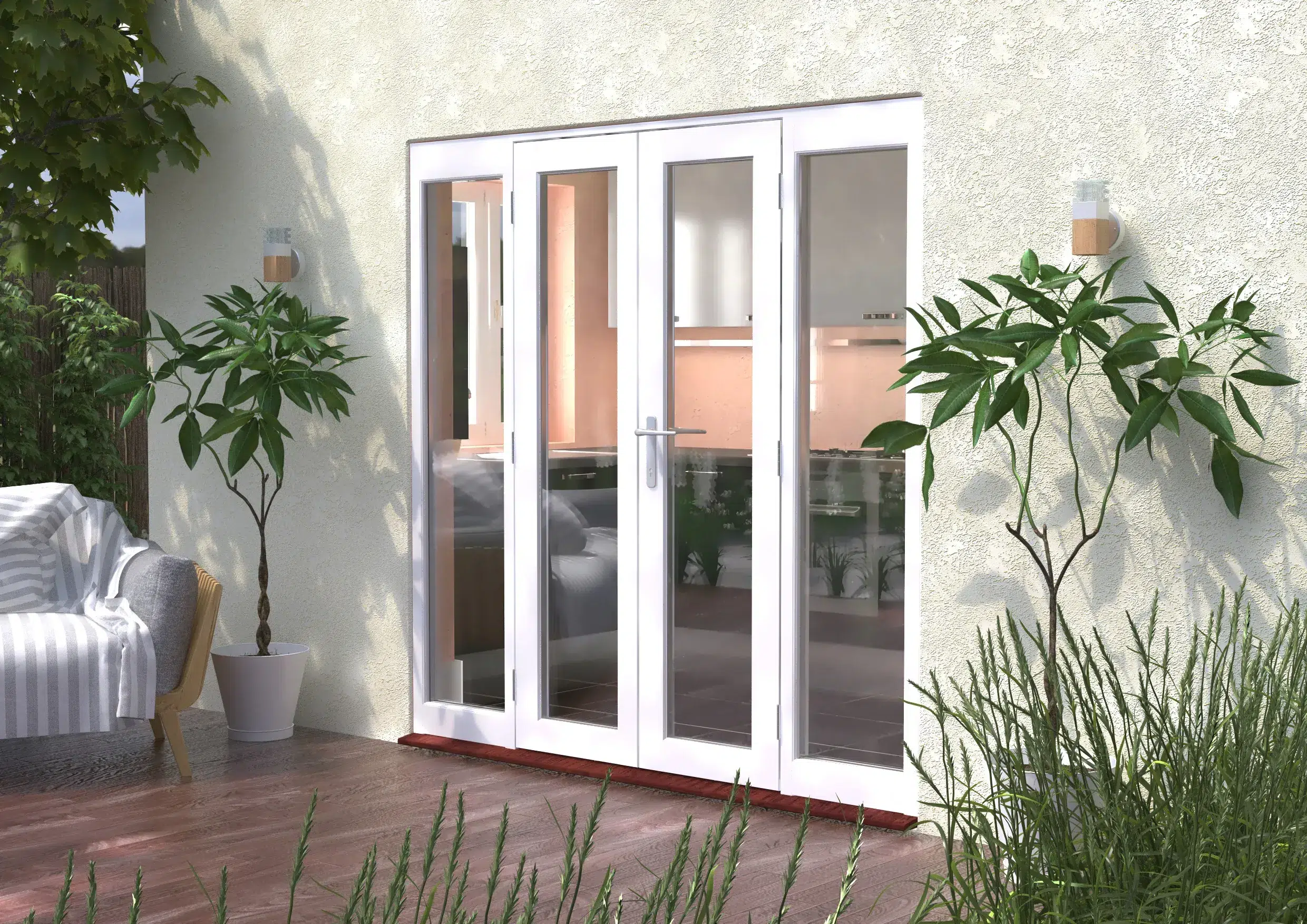
Here are a couple of patio door styles to consider:
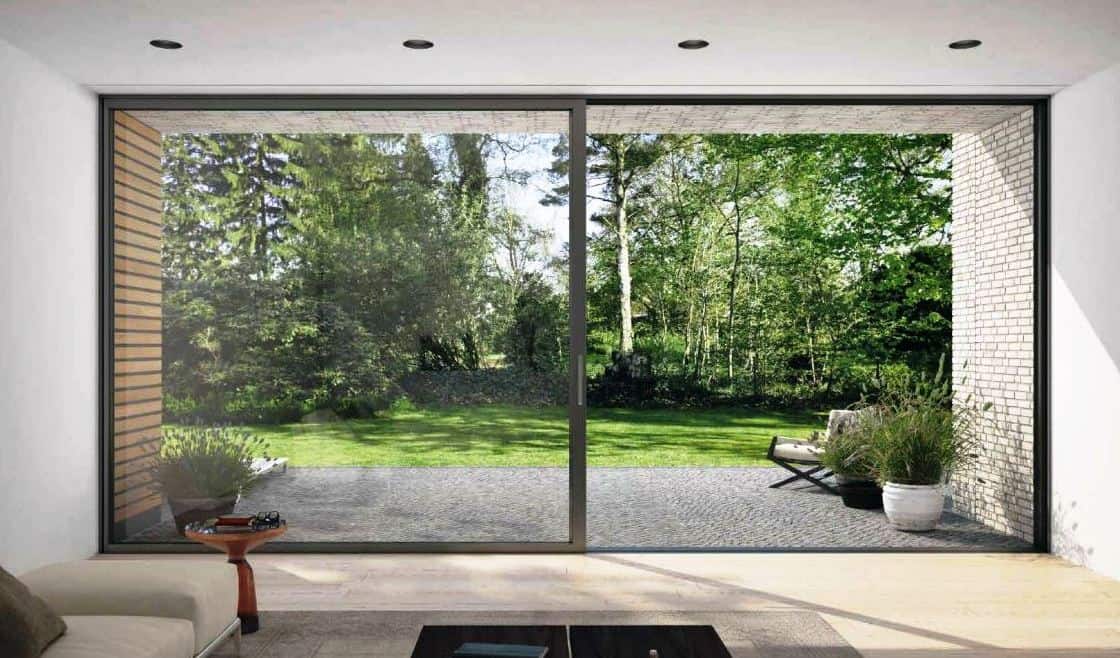
Sliding doors
How much is a uPVC sliding patio door?
Again it depends on size and spec, so the range is fairly wide. For a standard uPVC sliding patio door installed, budget somewhere between £800 and £2,000.
How much do aluminium sliding patio doors cost?
Aluminium sliders sit in much the same bracket as standard aluminium patio doors, roughly £1,500 to £2,000. Larger spans and premium finishes push you towards the top of that range.
Where can you install a sliding door?
Most go on the rear or side of a home, or into a conservatory. They work beautifully where they open onto a garden, patio, deck or porch, framing the view and saving the floor space a hinged door would take up.
Here are a few sliding door styles to look at:
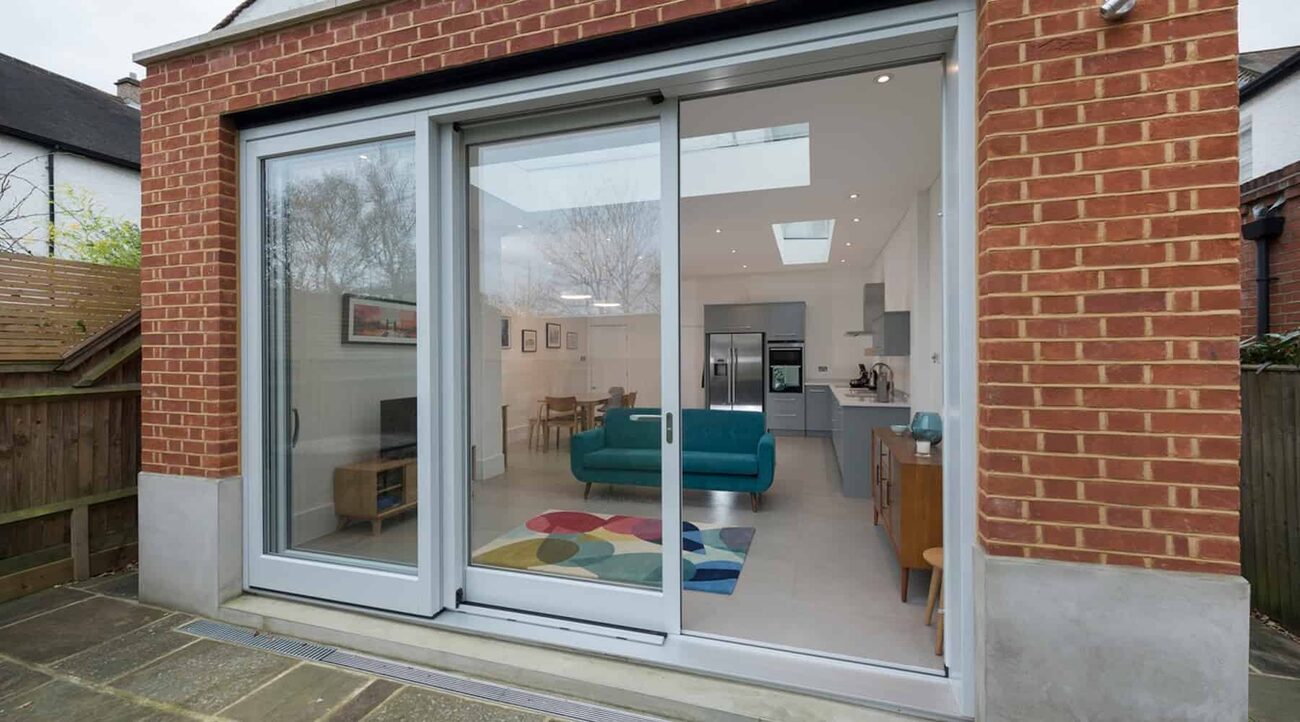
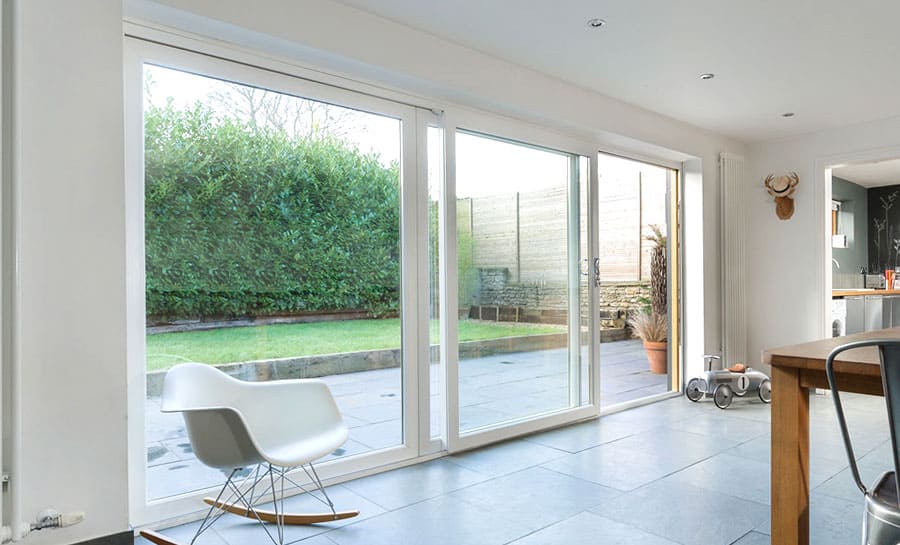
Bi-fold doors
What are the problems with bi-fold doors?
The usual gripes are alignment and space. If the tracks are not kept clean and true they can be fiddly to close cleanly, and the folding panels need somewhere to stack, so they are less suited to a tight wall.
How much is a set of bi-fold doors?
A set typically costs between £2,500 and £3,500 installed, depending on how many panels you need and the size and finish you choose.
Are bi-folding doors a good idea?
Bi-folding doors open up almost the entire wall, so they are hard to beat for that open-plan, indoor-outdoor feel and they look the part doing it. The one caveat is space: in a small room the folded panels can get in the way, so they shine most where there is room to stack them.
Here are some bi-folding doors worth a look:
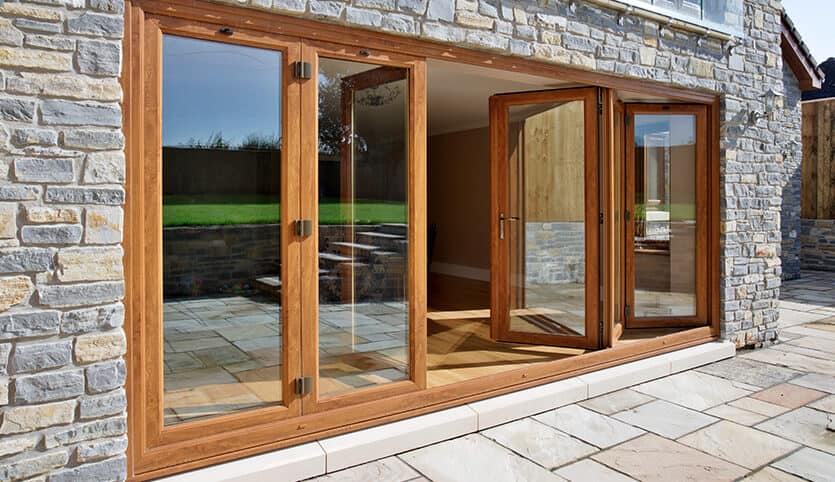
Stable doors
What are stable doors?
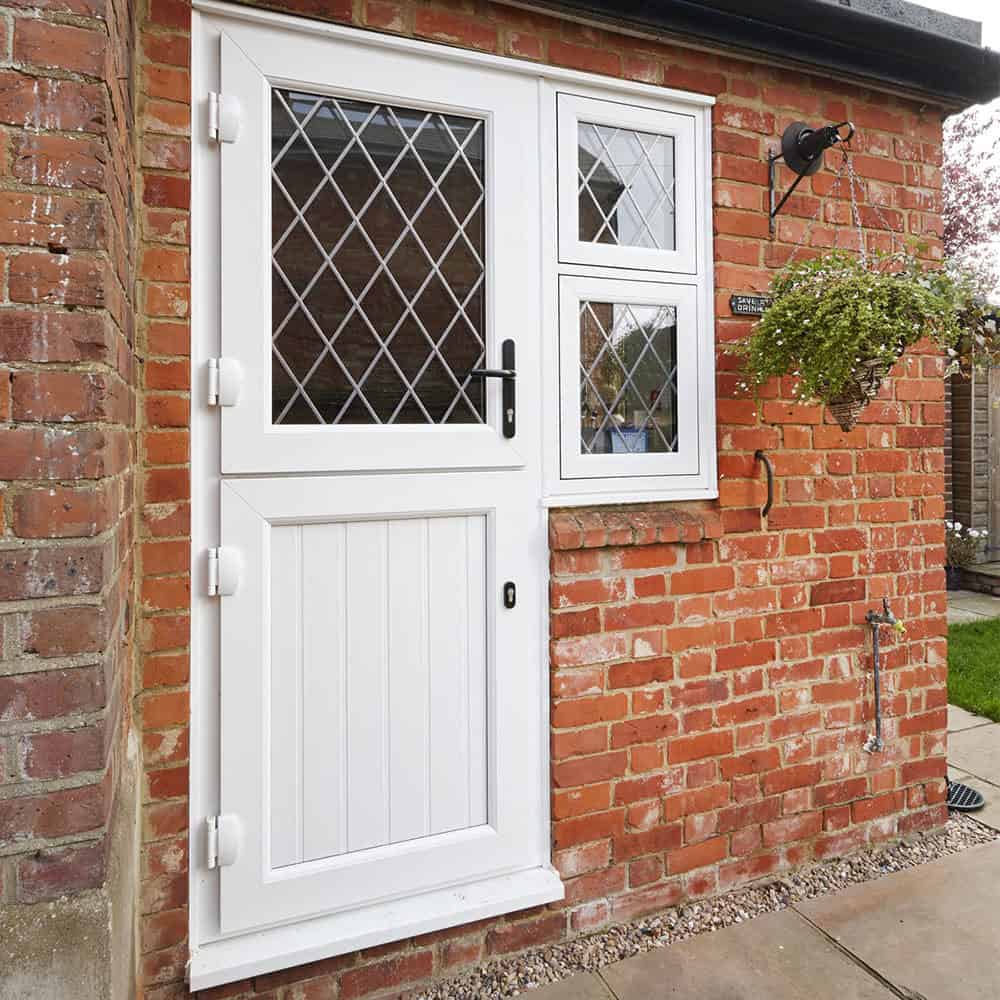
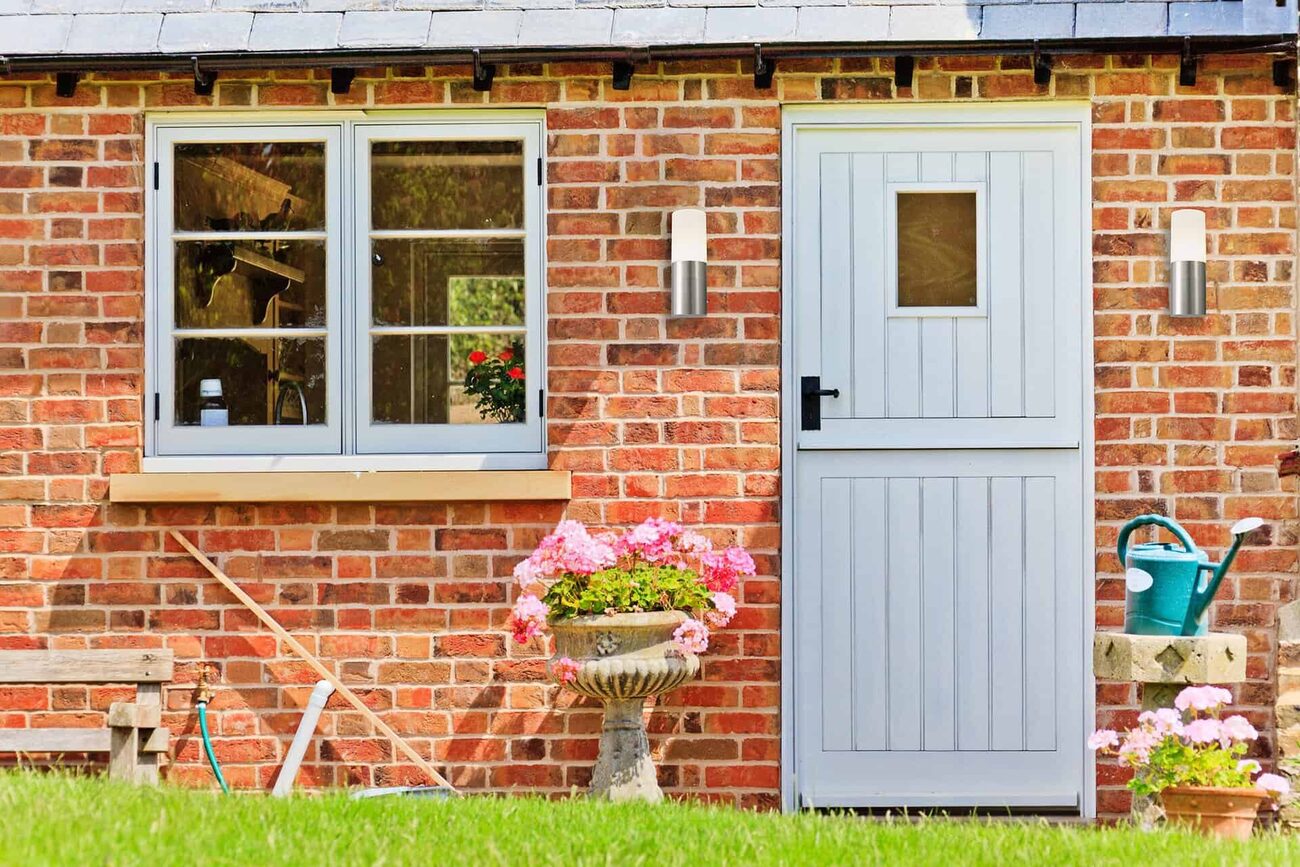
A stable door splits across the middle into two halves that open independently. You can swing the top open for light and air while the bottom stays shut, which is why they started life on barns and stables and now turn up on plenty of kitchens and back doors.
Do stable doors come in different colours?
They do. Black, white, green and brown are the common choices, with other finishes available to order.
How secure are stable doors?
On their own a stable door is not as strong as a solid French or patio door, mainly because it has two leaves and an extra meeting point. Choose one with proper multi-point locking on both halves and keep it locked, and it stands up far better. I would not skimp on the lock spec here.
Here are a couple of stable timber door examples:
What is the best front door to buy?
It depends on what matters most to you, and between the uPVC and composite ranges there is plenty to choose from. If price is not the deciding factor, a composite door ticks most of the boxes for a front entrance. Pair it with good door furniture and it looks a clear cut above the uPVC equivalent.
Material comes down to priorities. Solid timber gives a timeless, hard-wearing finish, while some modern doors are fire rated for extra safety and to meet building rules. Decide whether you are buying mainly for looks, strength or protection, and let that steer the choice.
Whatever you settle on, pick the installer as carefully as the door. The reputable ones are regulated by the Glass and Glazing Federation, which is a sensible thing to check before you sign anything.