

Rising energy bills are on most people's minds, and when the weather turns cold the question of how to keep the heat in gets sharper. The right windows can cut as much as 30 per cent off your annual energy costs, which is a real saving rather than a marketing line.
Moving to double or triple glazing is one of the most effective upgrades you can make. Below I have set out the pros and cons of triple glazing alongside double, so you can see which one suits your home and your budget before you spend a penny.
Here's what's inside:
- What are Triple Glazed Windows?
- What are Double Glazed Windows?
- Which Deals Better with Condensation?
- Energy Efficiency: Double or Triple Glazing
- Cost Comparison: Double or Triple Glazing
- Is Triple Glazing Worth the Extra Cost?
- Wrapping Up
- FAQs
What are Triple Glazed Windows?
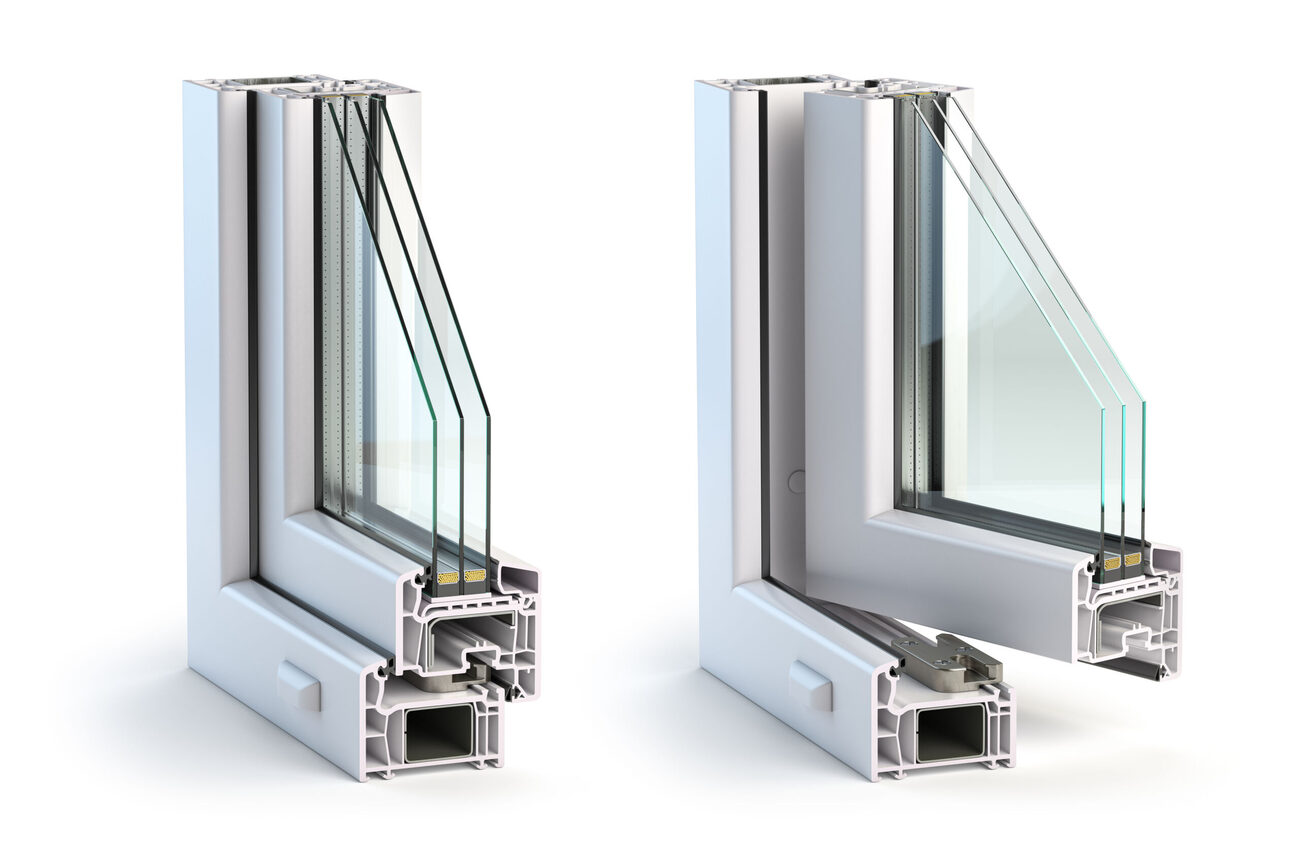
Triple glazed windows are the strongest performers when it comes to keeping heat in. They use three panes of glass with insulating gas, usually argon, krypton or xenon, sealed between them. That extra layer improves insulation, steadies the temperature inside and cuts outside noise sharply, which makes a noticeable difference on a busy road.
Pros:
- Far quieter, which is a real plus near traffic or in a city.
- The third pane makes the window harder to break through.
- The best insulation you can get, so your bills drop.
- Built to last around 30 years.
Cons:
- Costs more up front than double glazing.
- It is heavier, so it can need reinforced frames.
- In our mild climate, you may not recoup the extra cost.
What are Double Glazed Windows?
Triple glazing wins on insulation and noise, but double glazing is the sensible middle ground for most homes, which is exactly why it is the standard across the UK. It strikes a good balance between cost and performance.
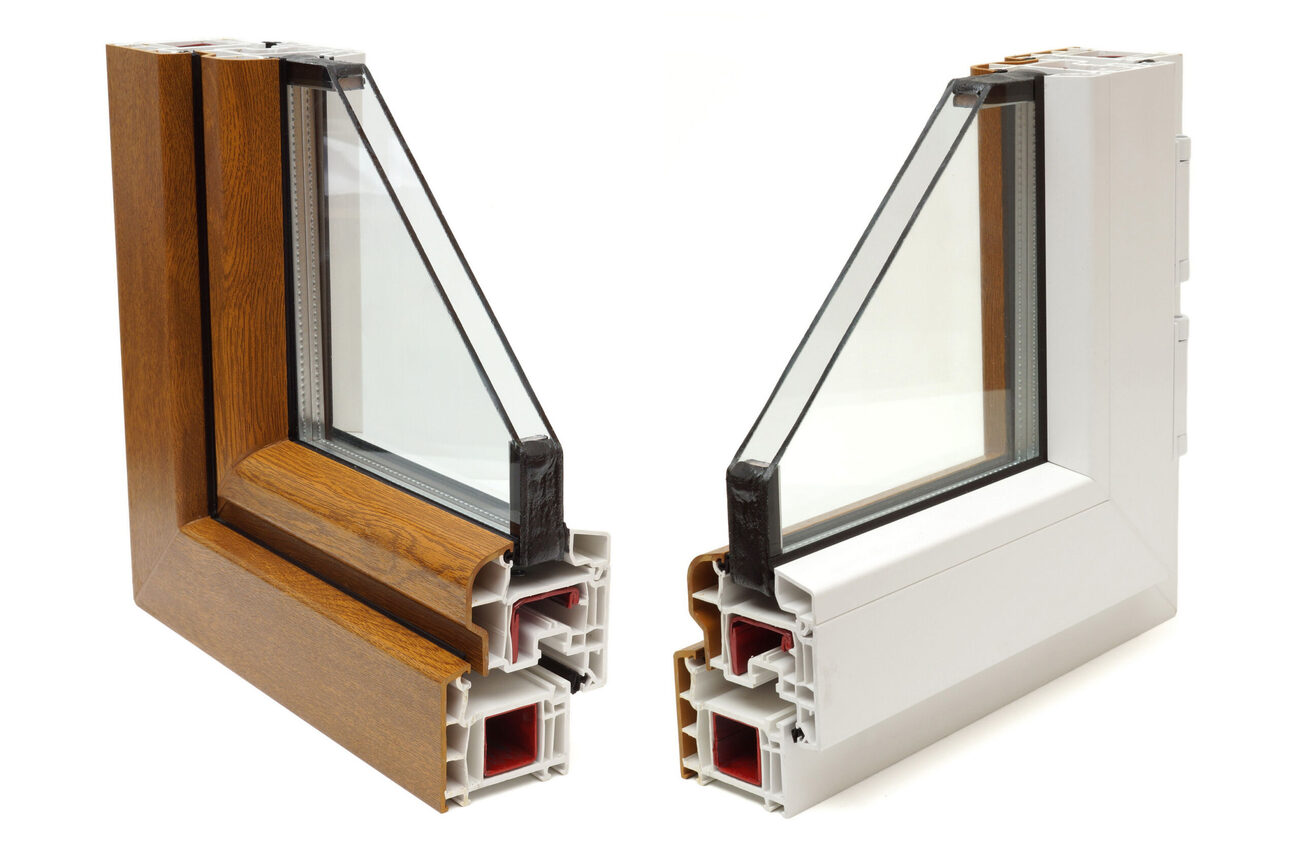
A double glazed unit uses two panes rather than three, with a gas-filled gap sealed between them. Coming from single glazing, you will feel the difference almost straight away, and you will see it on your bills.
Pros:
- Cheaper than triple glazing while still cutting your energy costs.
- Holds heat in, so you spend less heating the house.
- Good at dulling street noise, which suits busier areas.
- The proven, cost-effective upgrade most homeowners go for.
Cons:
- It does not save quite as much energy as triple glazing.
- Secure, but not as fortified as a three-pane window.
- Hard-wearing, though it will not last quite as long as triple glazed units.
Which Deals Better with Condensation?
Triple glazing usually handles condensation better. The extra pane narrows the temperature gap between the inside and outside of the glass, so less moisture forms on the window, and that means a lower risk of mould and rot taking hold around the frames.
If your double glazed windows are forever misting up, moving to triple glazing could fix it. But if your existing windows cope fine with moisture, there is no point switching. Good double glazing will serve you well and cost you less.
Energy Efficiency: Double or Triple Glazing
Both are very efficient, but they are not identical. The difference shows up in the U-value, which measures how much heat escapes through a window. The lower the number, the better the insulation, and triple glazing tends to have the lower U-value.
So triple glazing is the more efficient of the two. The real question is whether the extra savings justify the higher price. For most UK homes, where genuinely extreme cold is rare, double glazing hits the sweet spot: strong efficiency that matches our climate without the premium.
Cost Comparison: Double or Triple Glazing
Here is how the numbers stack up:
- Double glazing runs from £350 to £500 per window, depending on the style, size and the type of glass. It is the budget-friendly choice and a big step up from single glazing.
- The triple glazing cost sits at around £500 to £600 per window. It is dearer, but the better insulation can earn it back if you live somewhere cold.
Is Triple Glazing Worth the Extra Cost?
- Your location: in a cold, exposed spot, triple glazing earns its place. In a milder area, double glazing is plenty.
- Long-term savings: triple costs more on day one, but it can chip away at your heating bills over the years.
Wrapping Up
Either way, you win. Both double and triple glazing improve the comfort, security and efficiency of your home. The right call comes down to your situation: how cold your area gets, and what you are willing to spend. A quick chat with a professional, and a couple of accurate quotes, will settle it.
Whoever you use, make sure they are FENSA registered or affiliated with the Glass and Glazing Federation (GGF). That confirms the work meets UK building regulations and the proper standards.
That is where we can help. We get homeowners the windows and doors they need without the financial sting. If funding would make the difference, it is worth a look.
We have several funding routes we can match you with, including our own H2B Windows grants, which can cover fully funded upgrades for those who qualify. Tap the button below to see what you could get.
FAQs
What are the differences between double and triple glazing?
Both keep warmth in and cut your energy costs. The difference is degree: triple glazing adds a third pane, which improves insulation further and saves a little more, particularly in colder areas. Double glazing does the bulk of the work for less money, which is why it remains the standard choice.
Will triple glazing reduce condensation more than double glazing?
Yes. The extra pane keeps the inner glass closer to room temperature, which holds moisture off the window and helps prevent mould and damp around the frames. If condensation is a recurring problem in your home, triple glazing is worth a look.
What is the cost difference between double and triple glazing?
Double glazing usually costs £350 to £500 per window, while triple glazing runs around £500 to £600. You pay more for triple, but the better insulation can make that worthwhile in colder parts of the country.
Is upgrading to triple glazing worth the extra expense?
It depends on your climate and how much heating you use. In areas with harsh winters, triple glazing often pays for itself through lower bills, so we tend to recommend it. In milder areas, double glazing usually gives you enough insulation while keeping the cost down.