


Ever wondered what your windows are actually made of? Most homes across the UK are fitted with uPVC windows, yet few people know the journey this material took to become such a fixture of British housing. From a scientific breakthrough in the 1930s to the energy-efficient frames we fit today, it is a story worth knowing, particularly if you are thinking about upgrading your own.
This covers the lot: what uPVC actually is, how it reached the UK, how it is made, and why it remains one of the best choices for your home today.
So, What Actually Is uPVC?
Before the history, it is worth clearing up what uPVC means, because it is one of those terms that gets thrown around without much explanation.
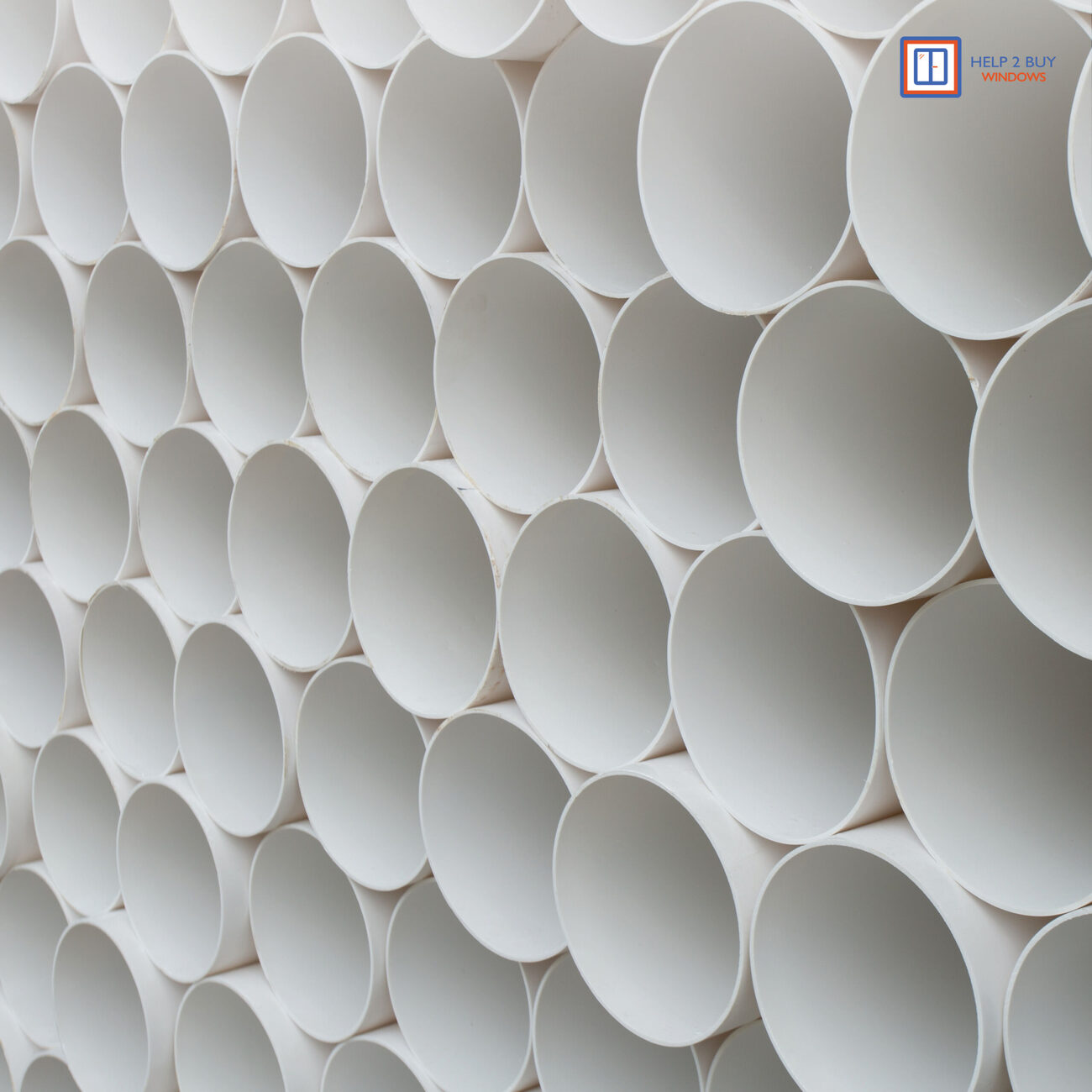
uPVC stands for Unplasticised Polyvinyl Chloride. In plain English, it is a strong, rigid plastic used in window and door frames, plumbing pipes, gutters, fascias, soffits and plenty of other construction and industrial jobs.
The difference between regular PVC and uPVC comes down to one thing: no plasticisers are added during manufacturing. Plasticisers are chemical additives that make a material softer and more flexible, which is exactly what you want in rubber gloves or a garden hose, and exactly what you do not want in a window frame. Leave them out and you get a material that is:
- Rigid and strong: Able to hold glass securely and resist pressure
- Resistant to moisture and rot: It won't swell, warp, or decay like timber can
- Low maintenance: No need for regular painting or treating
- Long-lasting: A lifespan of 25 to 40 years or more
uPVC was first produced in 1935, and over the following decades it proved just how versatile and reliable it could be. Its rise over the past 50 years has been remarkable, and today it is the standard material for window frames in millions of homes across the UK and Europe.
When Did uPVC Arrive in the UK?
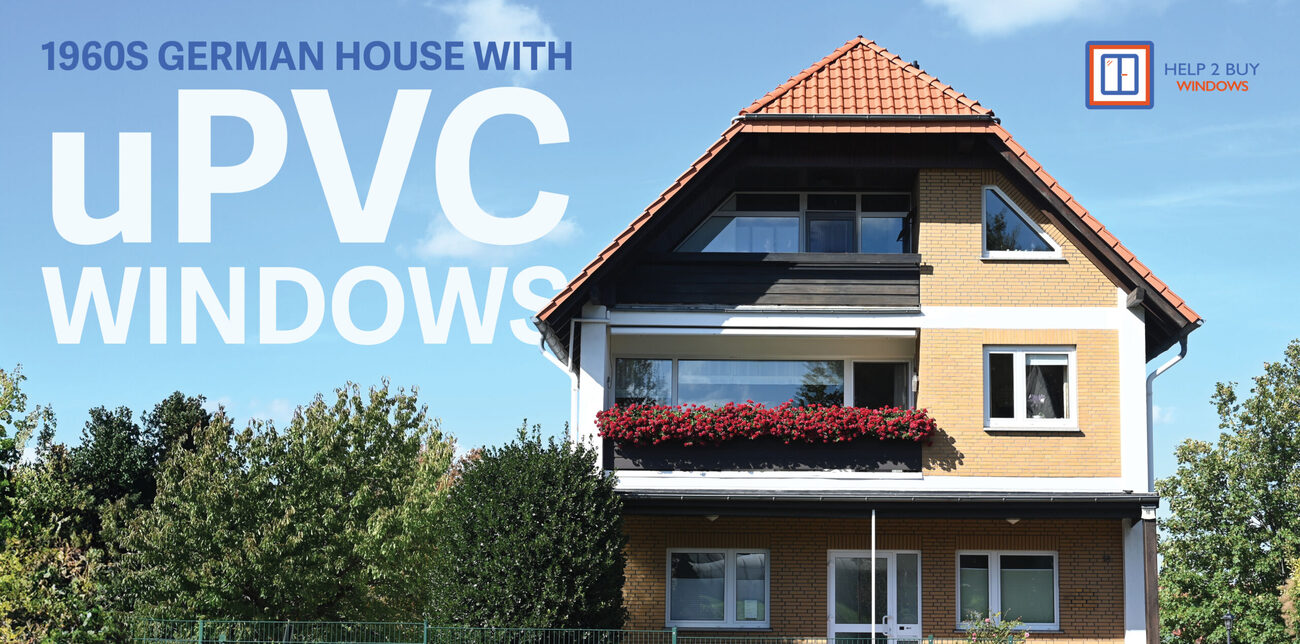
uPVC made its commercial debut in Germany during the 1960s. German window manufacturers quickly spotted its potential as a building material, especially for frames, and started producing it at scale. The rest of Europe soon took notice.
Early PVC windows had their flaws. They were not always durable, and the material did not hold up well against the weather over time. The turning point came with the shift to unplasticised PVC, the "u" in uPVC. That made the frames far more reliable, weather-resistant and long-lasting, and it is what gave the material real traction in the UK market.
A Quick Timeline of uPVC Windows in the UK
The history of uPVC windows is best understood decade by decade. Here is how the material grew from a German innovation into a fixture of British homes:
1960s: The Beginning of Something Better
uPVC arrives as a clear step up from standard PVC, with better durability, a longer lifespan and improved resistance to weathering. German manufacturers lead the way, and the product starts attracting attention across Europe.
1970s: Aluminium Still Rules the Roost
Through the 1970s, aluminium frames dominated the UK double glazing market. Double glazing itself was catching on as homeowners began thinking harder about heat retention and energy costs, but uPVC had not yet taken off. Aluminium was still seen as the modern, forward-thinking choice.
1980s: uPVC Starts to Take Over
This is where the shift really happens. Through the 1980s, uPVC began replacing aluminium as the preferred material for frames. Homeowners were won over by its weather resistance, its versatility and its lower price. One style that proved hugely popular was the "pretend wood" finish, a woodgrain effect that gave homes warmth and character without the upkeep that came with real timber.
1990s: uPVC Becomes a UK Staple
By the 1990s, uPVC windows were everywhere. Manufacturers had refined the technology, insulation had improved noticeably and security features were getting better. For the average homeowner, uPVC was simply the obvious choice: affordable, practical and effective.
2000s and Beyond: Style Meets Performance
From the early 2000s onwards, manufacturers kept refining the product. Frames got sleeker, glazing technology took a big leap, and the choice of colours and styles widened enormously. Today you can pick woodgrain finishes, bold contemporary shades like anthracite grey, or heritage-style flush sash designs with neater corners that suit period properties. You get all the charm of timber-style windows with none of the ongoing maintenance.
What Did These Changes Mean for UK Homes?
It is hard to overstate the difference these developments made to everyday life in Britain. We are not blessed with a warm, forgiving climate. We are a cold, damp, often drizzly nation, and keeping heat inside our homes matters enormously.
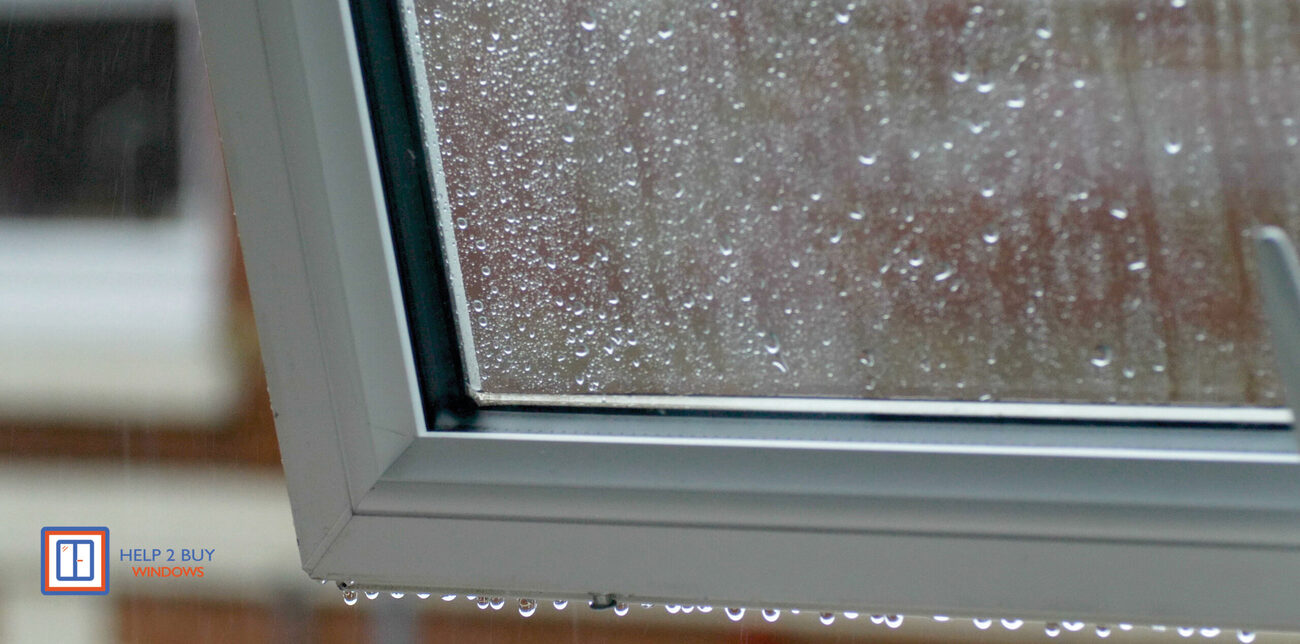
As uPVC windows became better insulated through multi-chambered frames and improved double, then later triple, glazing, homes got noticeably warmer and more efficient. Draughts eased off. Heating bills came down. Outside noise dropped away. For anyone in an older property, swapping single-glazed timber frames for modern uPVC was a genuine change in how the house felt to live in.
That improvement in home efficiency also lines up with wider government goals around cutting carbon emissions and energy waste, which is still pushing the development of newer, even more efficient window technologies today.
How is uPVC Made Today?
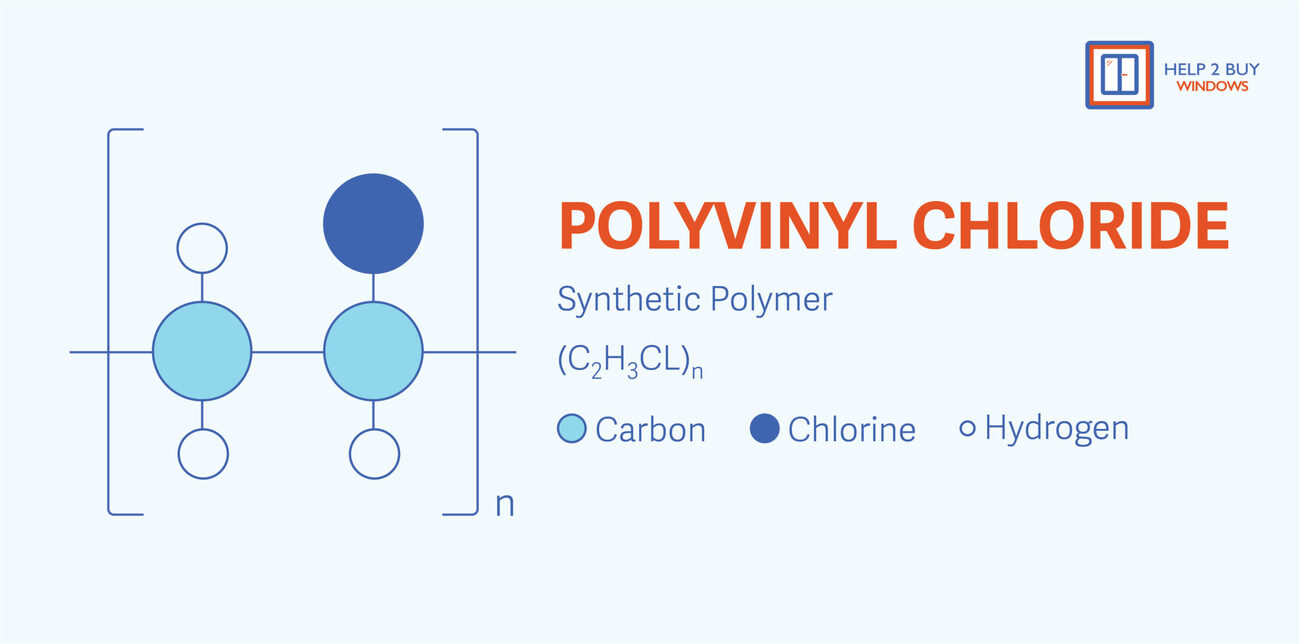
Modern uPVC manufacturing is a long way from the early methods of the 1960s. Today the material is made through a process called polymerisation, where vinyl chloride monomers (tiny chemical building blocks) are joined together to form a rigid plastic, all without any plasticisers.
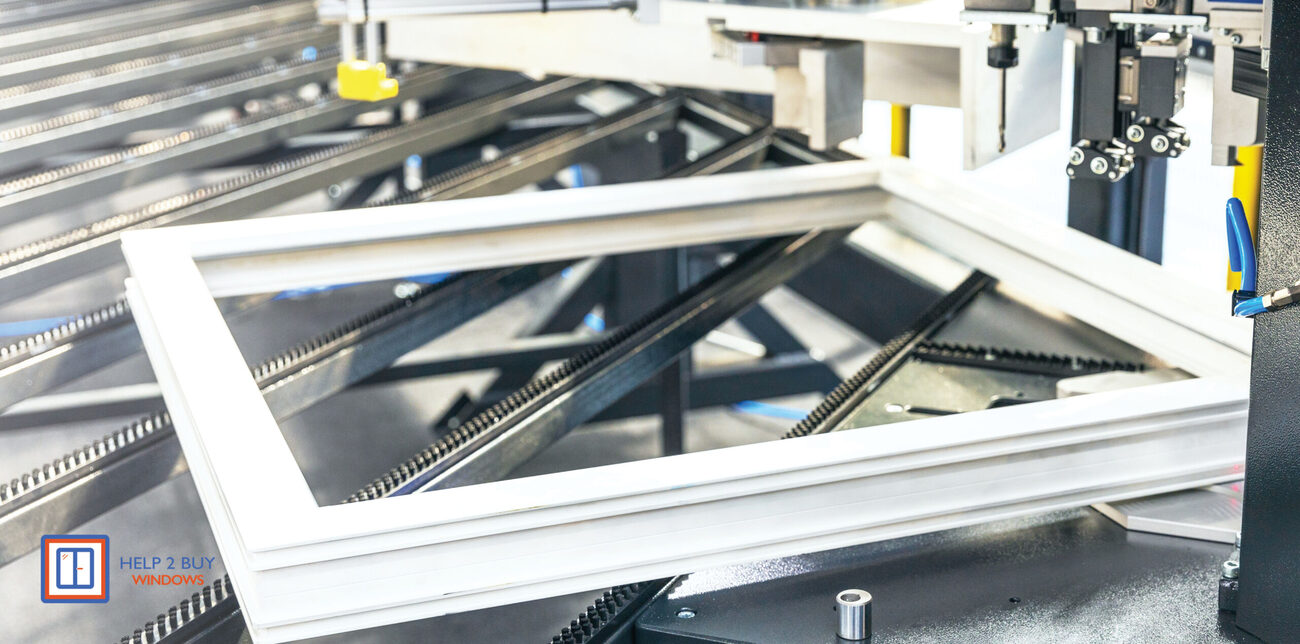
What you end up with is a strong, consistent material that can be extruded precisely into window frames, door frames, pipes and other building products. One of the biggest advances has been the internal chambers built into the frames. These hollow sections act as insulation barriers, trapping air and improving the energy efficiency of the window considerably. They also add strength, so the frames can hold large panes of glass without flexing or bowing.
Quality control in modern uPVC production is tight too, which keeps frames consistent in colour, dimension and performance.
Is uPVC Environmentally Friendly?
This comes up a lot, and it is a fair question. uPVC is a plastic-based material, after all, and plastics have a complicated relationship with sustainability.
The honest answer is that uPVC is greener than you might expect, mainly because of how long it lasts. A well-installed set of uPVC windows can run for 20 to 40 years or more with very little maintenance. That is a long time before any of the material needs replacing or disposing of.
Better still, many uPVC frames are now recyclable at the end of their life. Manufacturing has become a lot more sustainable, and recycled uPVC is routinely used to make new window frames. So rather than heading to landfill, the material gets a second life.
How Long Do uPVC Windows Last?
If you are weighing up new windows, this is usually one of the first things you want to know. The good news is that decent uPVC windows are built to last.
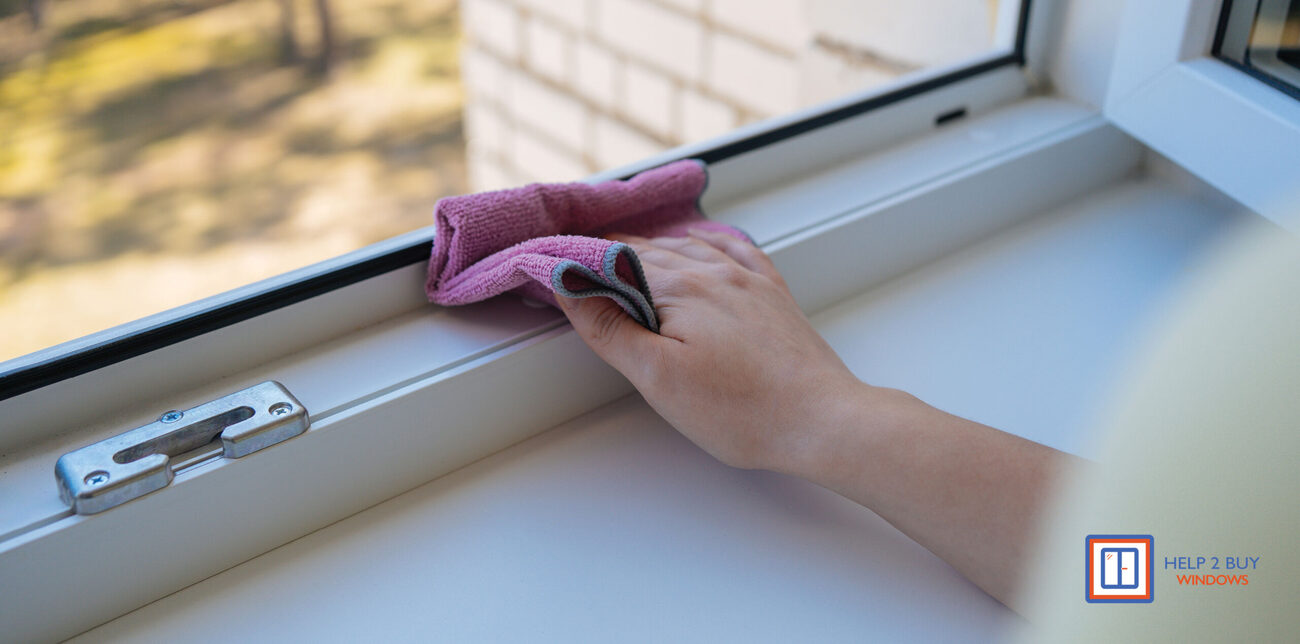
With proper installation and basic maintenance, wiping down the frames, cleaning the rubber seals and lubricating the hinges once or twice a year, uPVC windows stay functional and good-looking for 25 to 35 years or more. Most reputable manufacturers back that up with long guarantees, usually somewhere between 10 and 20 years.
How long yours last comes down to the quality of the original product, the standard of installation, your local climate and how well you look after them. Cheaper windows tend not to go the distance, which is why it always pays to weigh uPVC window prices against quality, and to pick a trusted installer and quality-certified products.
Modern Styles and Colour Options
One of the biggest myths about uPVC windows is that they are plain, boring and white. Soft white is still popular, and rightly so, it is classic, clean and suits most homes, but the choice now goes far beyond that.
These days you can choose from a wide range of options, including:
- Woodgrain finishes that replicate the look of real timber, inside and out
- Coloured frames in shades like contemporary greys, anthracite grey, cream, black, chartwell green, and more
- Flush sash designs that sit flush with the frame for a sleek, contemporary look
- Heritage and Georgian-style options suitable for period and listed properties
That much choice means uPVC now suits virtually any home, from a modern new build to a 1930s semi or a Victorian terrace. The look-related limitations that once put people off have largely gone.
Modern high-quality, low-maintenance windows often use black gaskets and softer-shaped frames. These improve the weather seal and durability of the unit, and they look better too. Both add up to contemporary uPVC windows that are more functional and far more attractive than the earlier styles.
How to Check If You Need New uPVC Windows
Not sure whether it is time to replace your windows? There are a few telltale signs that the ones you have are no longer doing their job.
Warning Signs to Look Out For
- Draughts when the windows are shut. If you can feel cold air coming through with everything closed, the seals have probably gone.
- Condensation between the panes. That foggy look between the two sheets of glass means the sealed unit has failed and is no longer insulating. You cannot fix it by cleaning; the glazed unit needs replacing.
- Cracks or warping in the frame. Physical damage hurts both the look and the performance.
- Difficulty opening or closing. Stiff or misaligned windows often point to frame distortion or worn hardware.
- More outside noise. If the street feels louder than it used to, your glazing may have degraded.
- Rising energy bills. Poorly insulated windows let heat escape, so your boiler works harder and costs you more.
If your windows are more than 20 to 25 years old, it is well worth getting them assessed. Modern energy-efficient windows make a real, noticeable difference to both the comfort and the running costs of a home.
Final Thoughts
From a scientific development in the 1930s, through its commercial rise in 1960s Germany, to its place as the most popular window material in the UK today, the history of uPVC windows is a story of genuine progress. It has kept millions of British families warmer, brought energy bills down and changed the look of homes up and down the country.
If you want to understand your existing windows better, or you are weighing up an upgrade, uPVC remains one of the most practical, cost-effective and versatile choices around. With so many styles and finishes available now, there is no reason to settle for a look that does not suit your home.
Could You Get Help Funding New Windows?
Are your windows old, damaged or letting in cold draughts? If so, you could be losing heat and money every day without even realising it.
Cracked frames, windows that are hard to open, condensation between the panes: any of these is a fair sign it is time for an upgrade. And here is the good part. You may not have to cover the full cost yourself.
Depending on your circumstances, you could qualify for support towards new, energy-efficient windows through a window grant scheme. Help 2 Buy Windows is here to help homeowners like you find out whether they are eligible.
Check today to see if you qualify and take the first step towards a warmer, more comfortable home. You might be surprised at what support is available.