


If your electricity bill keeps creeping up for no obvious reason, you are not imagining it. A handful of small habits, the tumble dryer and the always-on gadgets being the usual culprits, add up quickly. And if your home is losing heat through tired, draughty windows, you end up paying twice: once to keep warm, and again on the extra electricity you burn trying to cope.
What follows is a set of practical, real-world ways to cut your electricity use, the things quietly driving your costs up, and why upgrading old windows is one of the best do-it-once, benefit-for-years moves you can make. No jargon, just what works for everyday households.
Why saving electricity matters right now
Nobody wakes up wanting to review their kilowatt-hours. You just want a comfortable home and bills that do not wreck your month.
Here is why it is worth making a plan:
1) You keep more money in your pocket. Electricity costs are tied closely to how much you use, standing charges aside, so bringing your usage down usually has an immediate effect. Ofgem explains that bills depend on usage alongside other parts like wholesale and network costs, and it uses Typical Domestic Consumption Values (TDCVs) to show what a "typical" household gets through.
2) You cut waste without living in the dark. The biggest savings come from changing how you use the energy-hungry items, the things that heat water or air or run long cycles, not from giving up your comforts.
3) You make your home feel better, not just cheaper. Better habits, and better windows, mean fewer draughts, fewer cold spots and steadier temperatures. That is what most people actually want day to day.
What's secretly driving high electricity bills in UK homes
Before you change anything, it helps to know what you are aiming at. Ofgem estimates a typical household in England, Scotland and Wales gets through around 2,700 kWh of electricity a year, and 11,500 kWh of gas.
So, where does the electricity usually go?
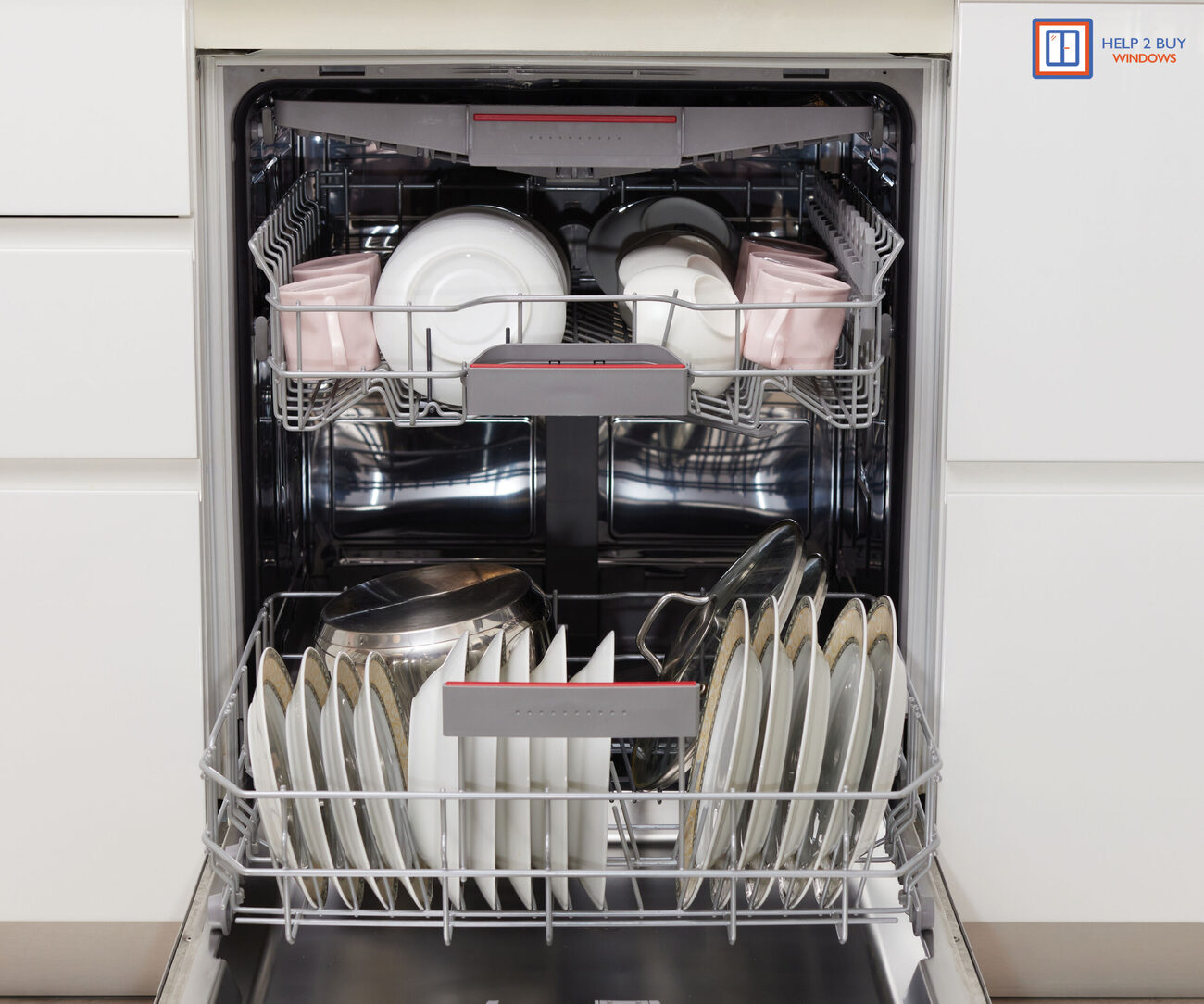
Wet appliances (washing machines, dishwashers, tumble dryers)
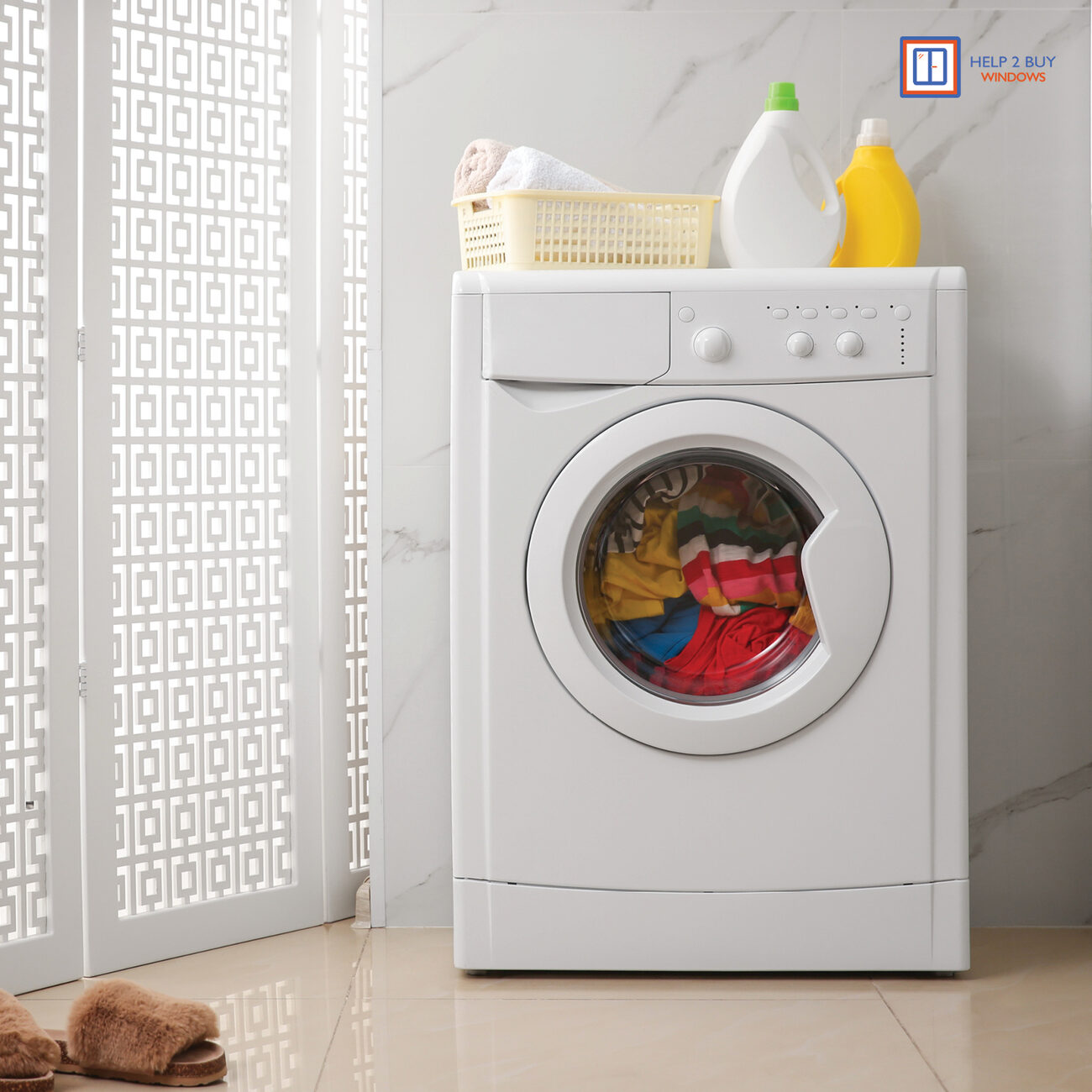
If laundry day always feels like it costs you money, that is because it does. Energy Saving Trust notes that washing machines, dishwashers and tumble dryers make up around 14% of a typical energy bill, mostly because they need power to heat water or air.
Using high-energy appliances frequently
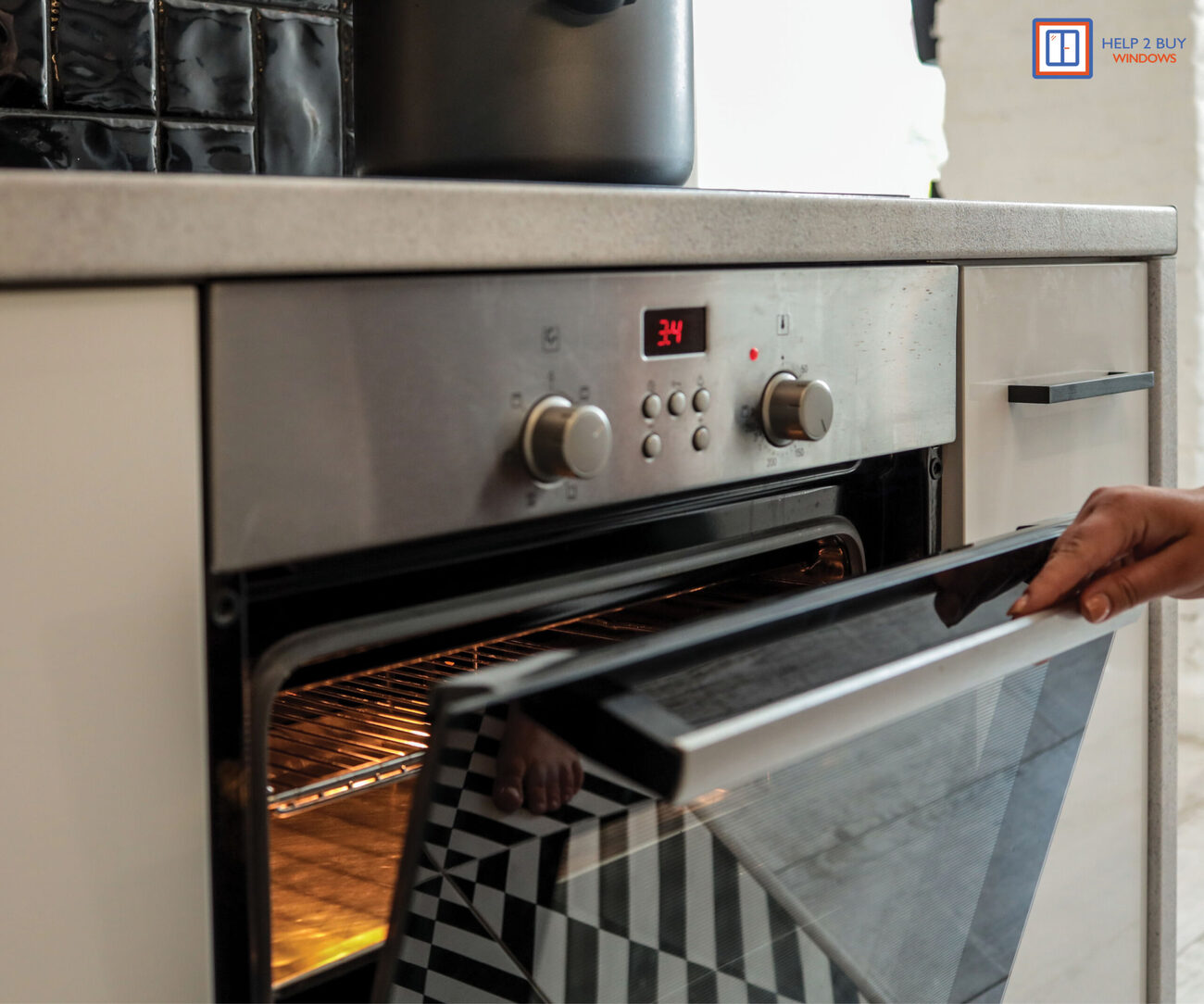
Some appliances are simply heavy hitters. Ofgem gives a few useful examples, including a tumble dryer using about 4.5 kWh in a single cycle and an electric oven using about 2 kWh for half an hour of use. Appliances vary, but those numbers show the scale. One tip that is easy to overlook: get your fridge freezer set correctly, 3 to 5 degrees for the fridge and -18 for the freezer. Clean the condenser coils, check the door seals, keep the unit reasonably full and keep it away from ovens and direct sunlight.
Leaving devices on standby (phantom power)
Standby use is real, but it is also easy to overestimate. Which? worked out the standby cost of common tech left on for 20 hours a day, and found that switching that selection off at the wall saved about £20.40 a year in their example. MoneySavingExpert adds that newer devices are limited in how much power they can draw on standby for certain product types, so savings vary. Even so, switching things off is worth it, because lots of small draws add up across a whole house.
Using the tumble dryer instead of air-drying
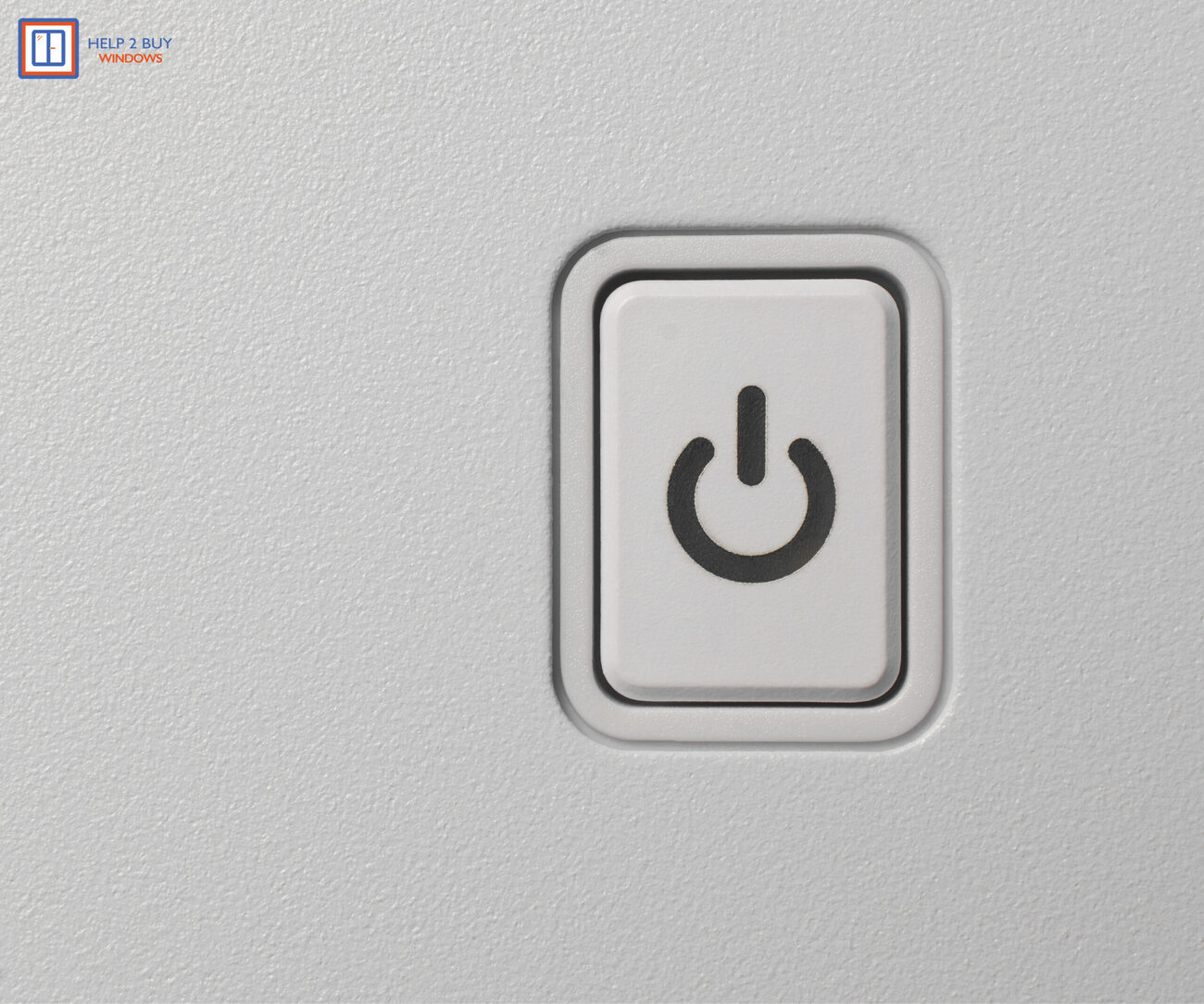
This one is simple. Tumble dryers heat air to pull moisture out, and that costs. At around 4.5 kWh per cycle for a typical machine, running it daily stacks up fast.
Heating water with electricity
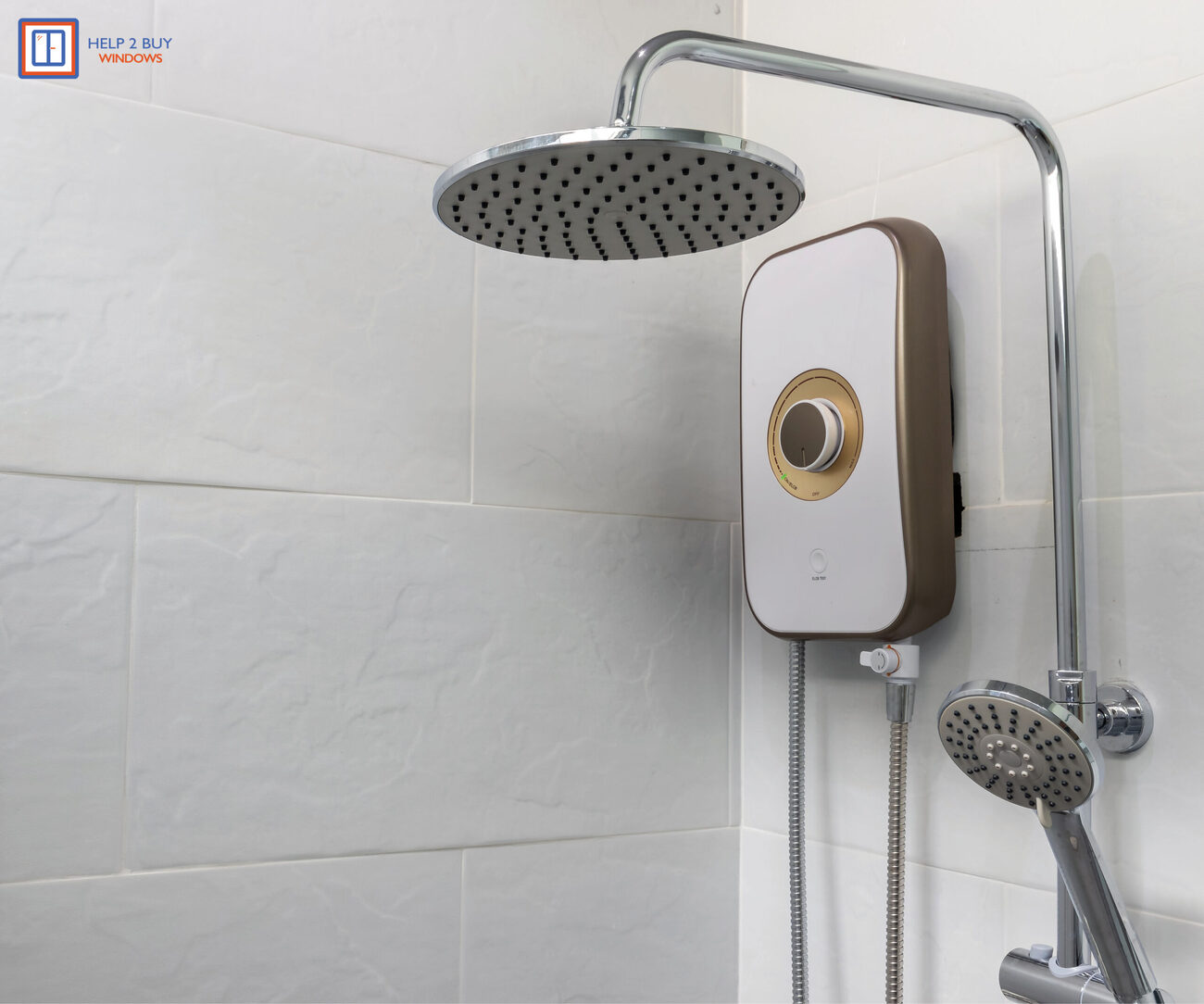
Anything that heats water quickly tends to be power-hungry. Electric showers heat water on demand, so they are effectively instant water heaters. Immersion heaters also run on electricity rather than gas, which can get pricey depending on your tariff and how you control it.
Poor lighting habits (and old bulbs)
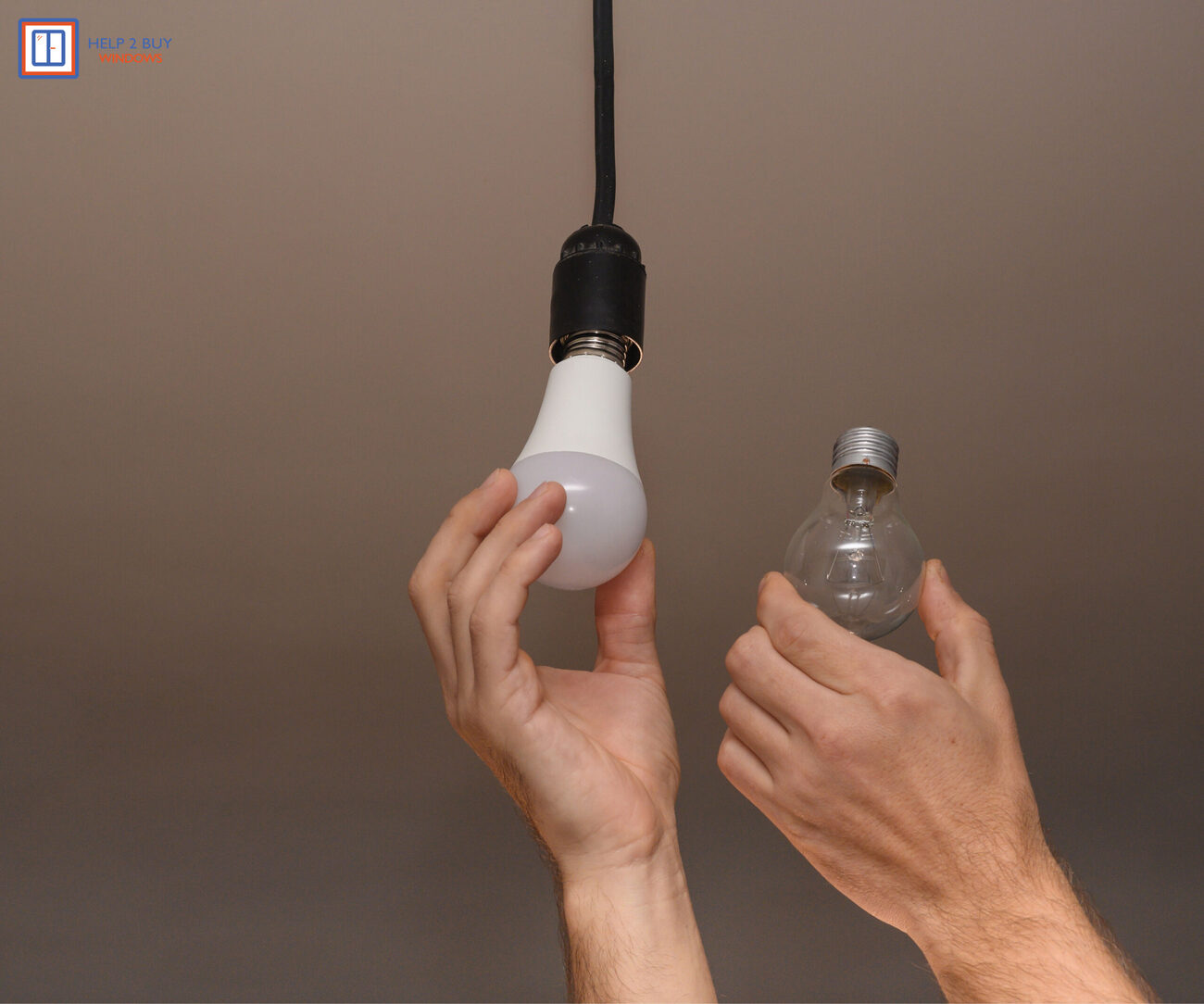
Lighting is not the biggest part of most bills, but waste is waste. Energy Saving Trust says LEDs are the most efficient bulb type, and that LED bulbs can use around 80% less electricity than halogen for the same amount of light.
Running appliances inefficiently
This is the death-by-a-thousand-cuts category: half-load dishwashers, boiling a full kettle for one mug, washing hotter than you need, leaving the oven door open while you check on dinner. None of these will bankrupt you on their own, but together they bite. The frustrating part is that you never actually feel it happening.
Poor insulation and heat loss (including draughty windows)
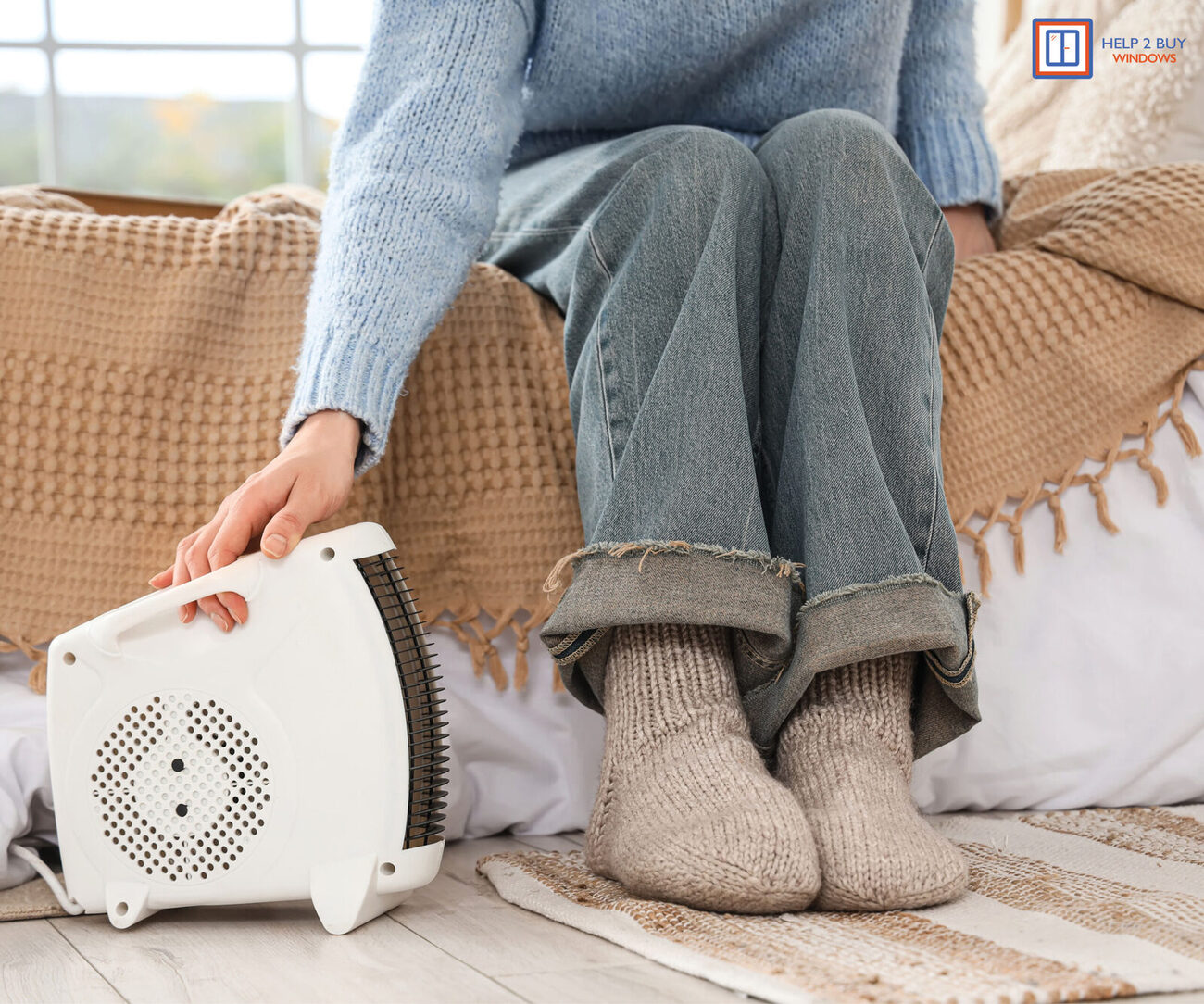
This is the big one people forget when they focus purely on electricity. Even if you heat with gas, heat loss pushes you into using more electricity through portable heaters, heated airers, dehumidifiers or longer appliance run-times just to stay comfortable. A UK government glazing factsheet notes that 18% of heat loss happens through windows, and that single glazing loses heat around twice as fast as standard double glazing. Put bluntly, if your windows are poor, you are paying to heat the street.
Easy habit changes that cut costs without making life miserable
If you are looking for ways to save electricity, start with the changes you can make this week, then tackle the bigger stuff when you are ready.
The practical approach is to go after the biggest energy users first, then mop up the small leaks.
Start by tracking your baseline for a week. A smart meter display helps you catch the spikes, and the kettle, oven and dryer all running at once is a classic. Even without a smart meter, the usage graphs in your online account show the patterns.
Make laundry cheaper and smarter. Wet appliances are a big slice of a typical bill, so this is the place to start: wash full loads, drop the temperature where you can, and skip the dryer when the weather allows. Energy Saving Trust flags wet appliances as a major cost driver, which makes this one of the fastest wins.
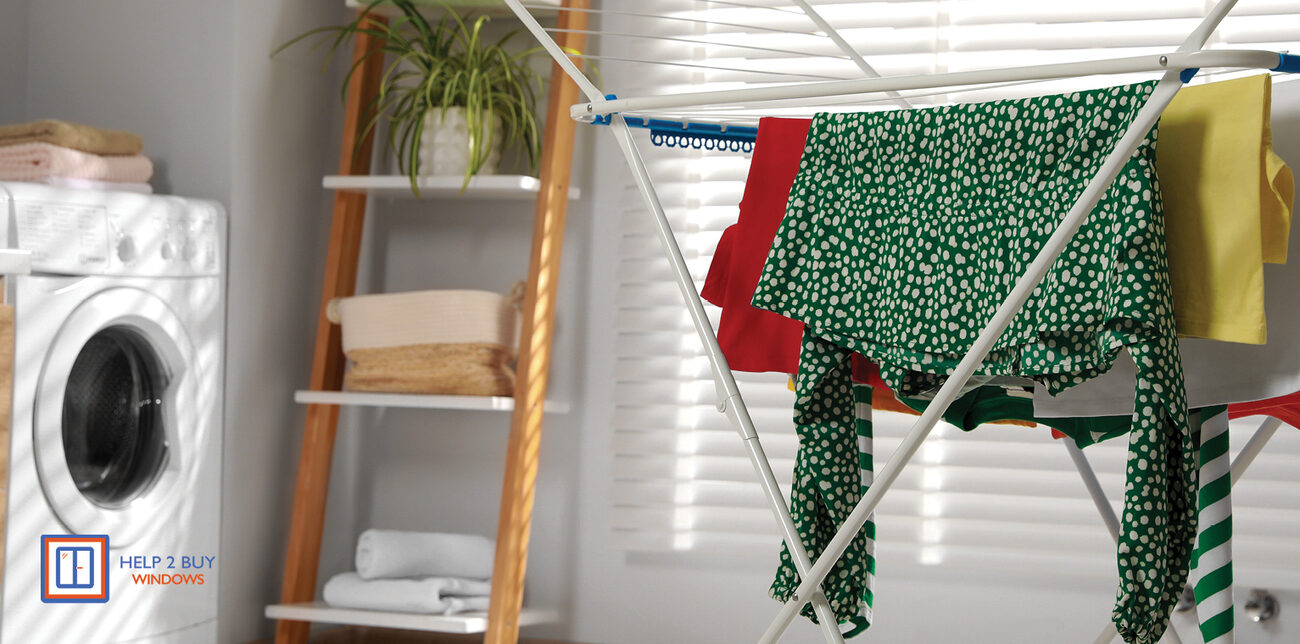
Dry clothes without the tumble dryer where you can. At around 4.5 kWh per cycle for a typical machine, the dryer uses a lot compared with a rack. If you genuinely need one, busy household, no outdoor space, use it only for the heavier items, keep the filters clean for efficiency, and do not over-dry.
Cut standby waste, but stay realistic. The turn-everything-off advice works best aimed at the worst offenders: old set-top boxes, always-on consoles and desktop PCs. Which? shows the savings can be modest in some setups, but they are still worth having if you are consistent.
The easy fix is a switched extension lead for your TV and console, so you can kill the whole cluster with one flick.
Switch your lighting to LEDs. If you still have halogen spotlights, swapping them matters, because LED bulbs use about 80% less electricity. Energy Saving Trust estimates that replacing your remaining halogen spotlights with LEDs could save around £45 a year in Great Britain, and £55 in Northern Ireland.
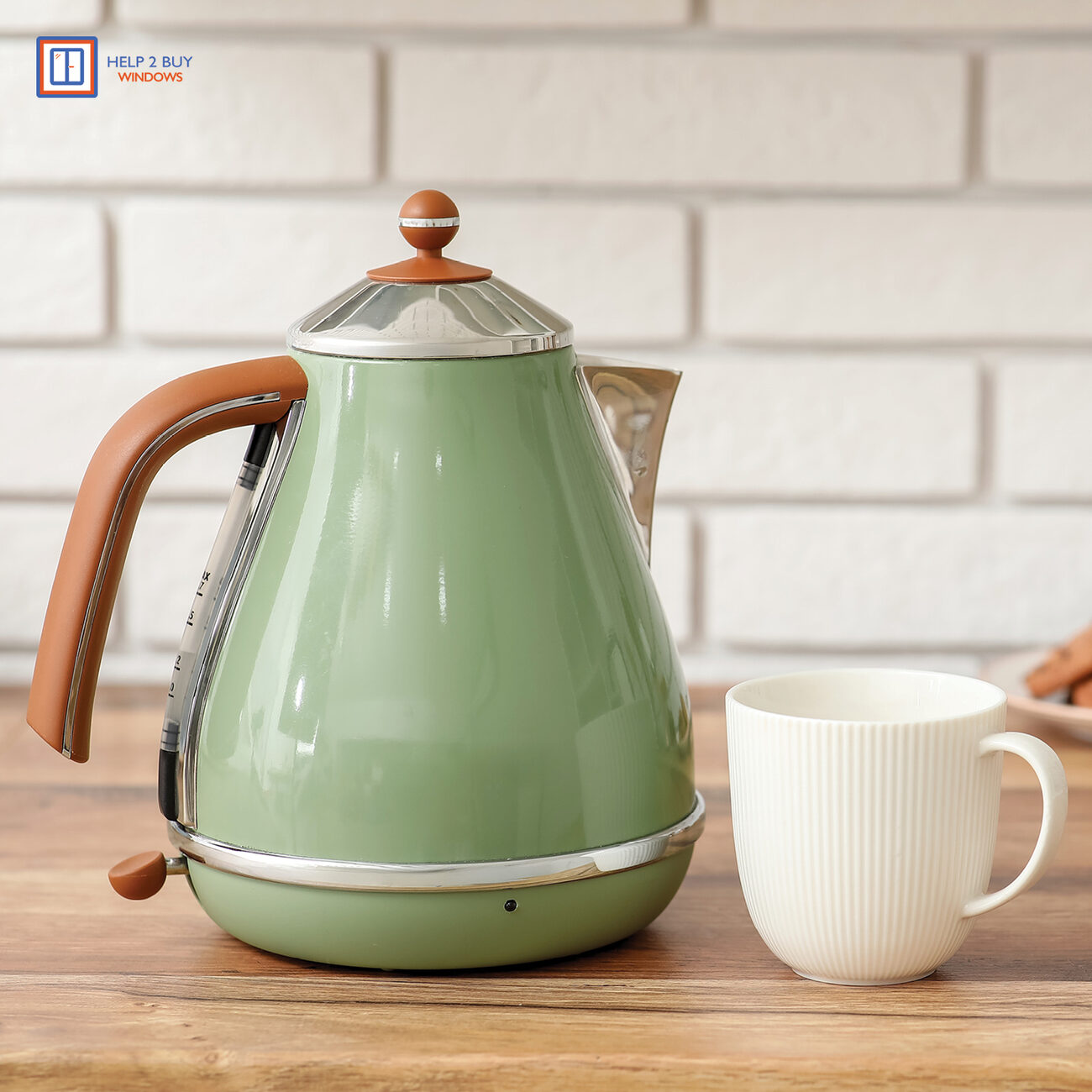
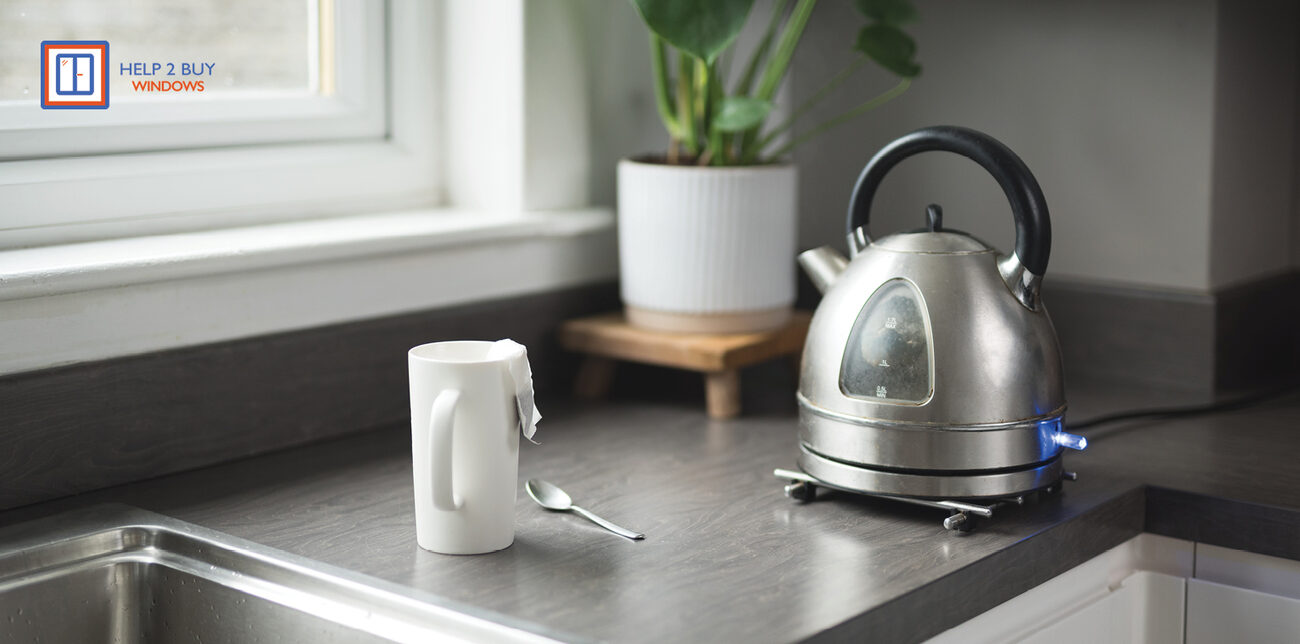
Stop boiling a full kettle for one cup. It sounds trivial, but you do it several times a day. The habit to build is filling only what you need. Annoyingly simple, genuinely effective.
Make cooking more efficient. Ofgem's examples show electric ovens can be meaningful users of energy, around 2 kWh for 30 minutes depending on the appliance. A few easy tweaks: batch cook, keep the oven door shut, use lids on your pans, and for smaller portions consider whether an air fryer or microwave does the job. Not always, but often.
Reduce hot water waste. With an electric shower you are heating water with electricity at the point of use, so shorter showers are a straight-line saving: less time running at high power. With an immersion heater, make sure it is timed and controlled rather than left to run when nobody needs it.
Then come the comfort upgrades that stop the waste at source. Draught-proofing gaps, sealing around old frames and improving insulation all reduce the temptation to plug in portable heaters, which leads neatly into the next section: windows.
The window factor: why draughty windows can sabotage your savings
If you are serious about saving electricity, you cannot ignore the fabric of the building, especially the parts you sit right next to every day.
The blunt truth is that if your home leaks heat through the windows, you will keep paying for it. The UK government glazing factsheet estimates that 18% of heat loss happens through windows, and that single glazing loses heat roughly twice as fast as standard double glazing.
That is why "stop heating the street" is more than a catchy line. It is a money-saving principle. Modern energy-efficient windows tackle exactly this problem, and Energy Saving Trust explains that energy-efficient glazing cuts heat loss through windows and reduces draughts and cold spots.
It matters because a home that holds its warmth better leans less on electrical top-ups: the portable heaters, the heated throws, the appliances left running longer just to feel warm.
What to look for in energy-efficient windows (in plain English)
A lot of window jargon is overkill, but a few basics are genuinely worth knowing:
Window energy ratings: the BFRC (British Fenestration Rating Council) rates windows and doors for energy performance from A++ at the top down to E, and properly rated products carry an official label. It gives you a simple comparison point, much like the labels on appliances.
Low-E glass: Energy Saving Trust says the most efficient glass for double glazing and triple glazing is low emissivity, or low-E, glass. It has a thin coating that reflects heat back into the room while still letting the light through.
In plain terms: the room stays warmer without you having to crank the heating up.
Warm-edge spacers and better frames: the glazing industry often points to warm-edge spacers and modern frame designs, which reduce cold bridging and condensation at the edges. It matches the official guidance: you want a tighter, better-insulated unit that keeps draughts and heat loss down.
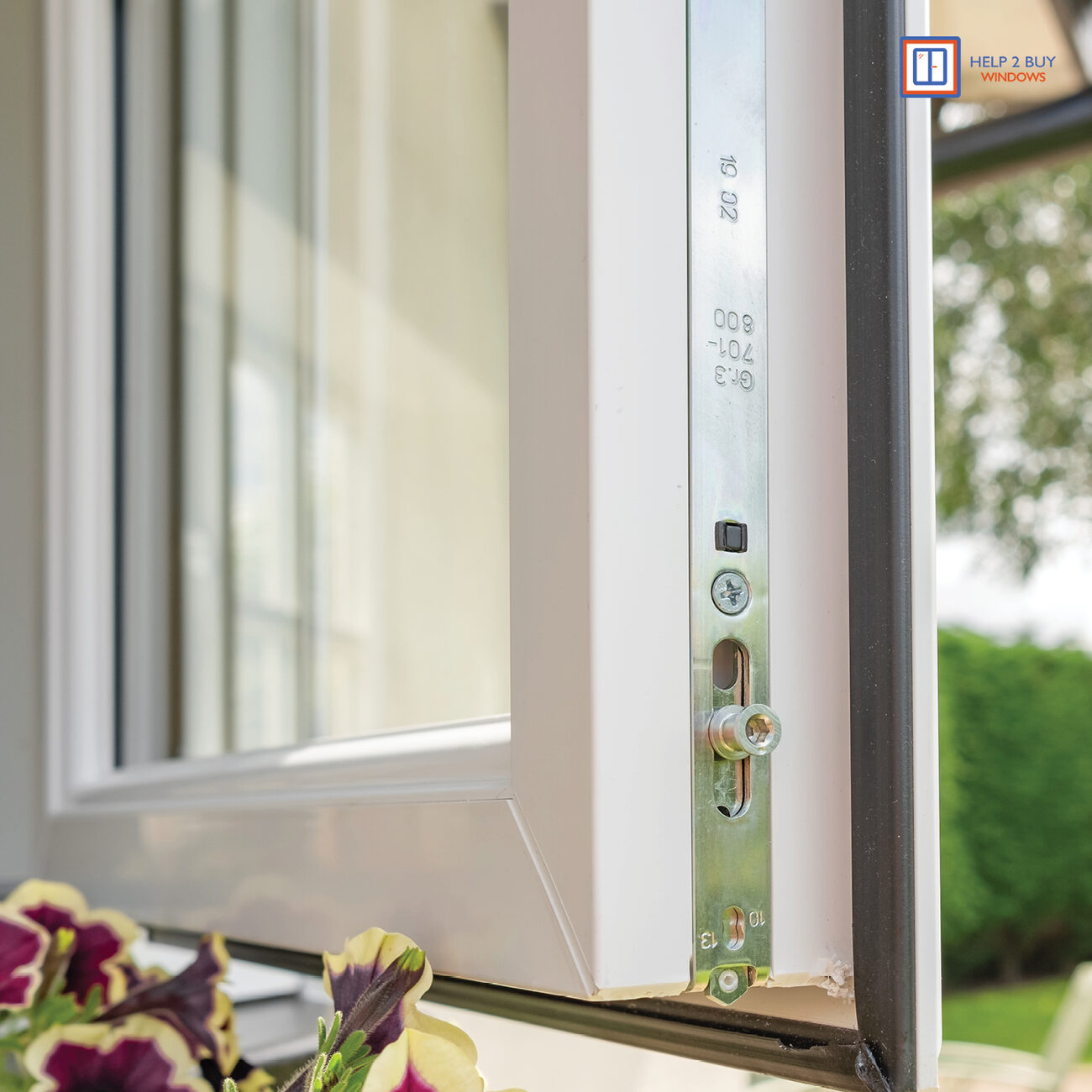
Ventilation still matters, so do not seal the place up and hope for the best. As you improve airtightness, you need controlled ventilation to go with it. The government glazing factsheet explains that houses need ventilation to prevent condensation, and that trickle vents let you control airflow and reduce the loss of warm air. In some cases they are required under building regulations.
Energy Saving Trust also points to issues like condensation between panes and draughts as signs it might be time to replace, and treats maintenance and ventilation as part of how well a window performs.
How much could new windows save?
Savings depend on your current windows, your house type and how you heat it. For a sense of scale, Energy Saving Trust says upgrading single glazed windows to A-rated double glazing could save about £140 on energy bills in Great Britain, and £160 in Northern Ireland.
Older government guidance gave example annual savings by home type for fitting double glazing in an entirely single-glazed house, with its own assumptions noted, and it helps show why a glazing upgrade can be worth it.
A quick reality check on lifespan and value: replacing windows is not a quick fix, it is an upgrade. The good news is that Energy Saving Trust notes well-installed double glazing can last well beyond 35 years with proper cleaning, ventilation checks and maintenance. So you are not just saving this winter, you are improving comfort and efficiency for the long term.
Do new windows really help you save electricity, or mainly gas?
This is the question most UK households should be asking.
If your home runs on electric heating, storage heaters, electric radiators or some heat-pump setups, better windows reduce how often that heating needs to run, and that shows up directly in your electricity use.
If you heat with gas, new windows still matter, because:
- You are less likely to reach for portable electric heaters in cold spots, the "just warm this one room" habit.
- You are less likely to run dehumidifiers or heated airers just to deal with cold, damp corners, which are common in draughty homes.
- Your home stays comfortable for longer, so you stop chasing warmth with extra gadgets and constant appliance use.
In short: even when the headline savings are on heating, the knock-on effect tends to show up in your electricity use too.
Need new windows but want funding options? How Help 2 Buy Windows can help
If you have read this far and thought "yep, my windows are definitely past it", you are not alone. And you should not have to drain your savings just to stop losing heat.
Help 2 Buy Windows connects homeowners with options that make a window upgrade more achievable, including a grant route for qualifying households and other funding routes where available.

Keeping your home energy efficient does not just help the environment, it makes a noticeable dent in your monthly bills. One of the most effective ways to cut heat loss is to upgrade older windows and doors.
At Help 2 Buy Windows, we make it easier to upgrade without the full upfront cost. Our double glazing grants are funded directly by us, we are not a government scheme, and they exist to help more households improve their home's efficiency.
Even if you do not qualify for a grant, you may still have options. Many of our trusted installation partners offer flexible funding plans that let you spread the cost of new energy-efficient windows and doors, sometimes with no upfront payment, depending on the provider.
If your windows or doors are five years old or more, you could be losing heat and paying more than you need to. That is why we built our quick funding checker, which gives you an instant, personalised view of any grants, funding or incentives you might qualify for.
Want to see what support you could get?
Use our free funding checker today to see if you are eligible and take the first step towards a warmer, more efficient home.
Final thoughts
If you have been hunting for ways to save electricity, here is the takeaway: the best results come from doing two things at once, tightening up your daily habits and fixing the hidden problems that make your house harder and more expensive to live in.
Start with the quick wins. Sort the laundry routine, switch to LED lighting, get smarter about standby power and cut waste where you can. Then, if your windows are draughty, misted, hard to open or just plain old, remember this: you might not have an electricity problem at all, you might have a heat-loss problem. Official guidance estimates a meaningful chunk of heat loss happens through windows, and modern energy-efficient glazing is built to deal with exactly that.
And if you are ready to stop heating the street, use the Help 2 Buy Windows funding checker to see what options might be available for draught-proofing your home.